Easy Homemade Pita Bread Recipe – Soft & Fluffy
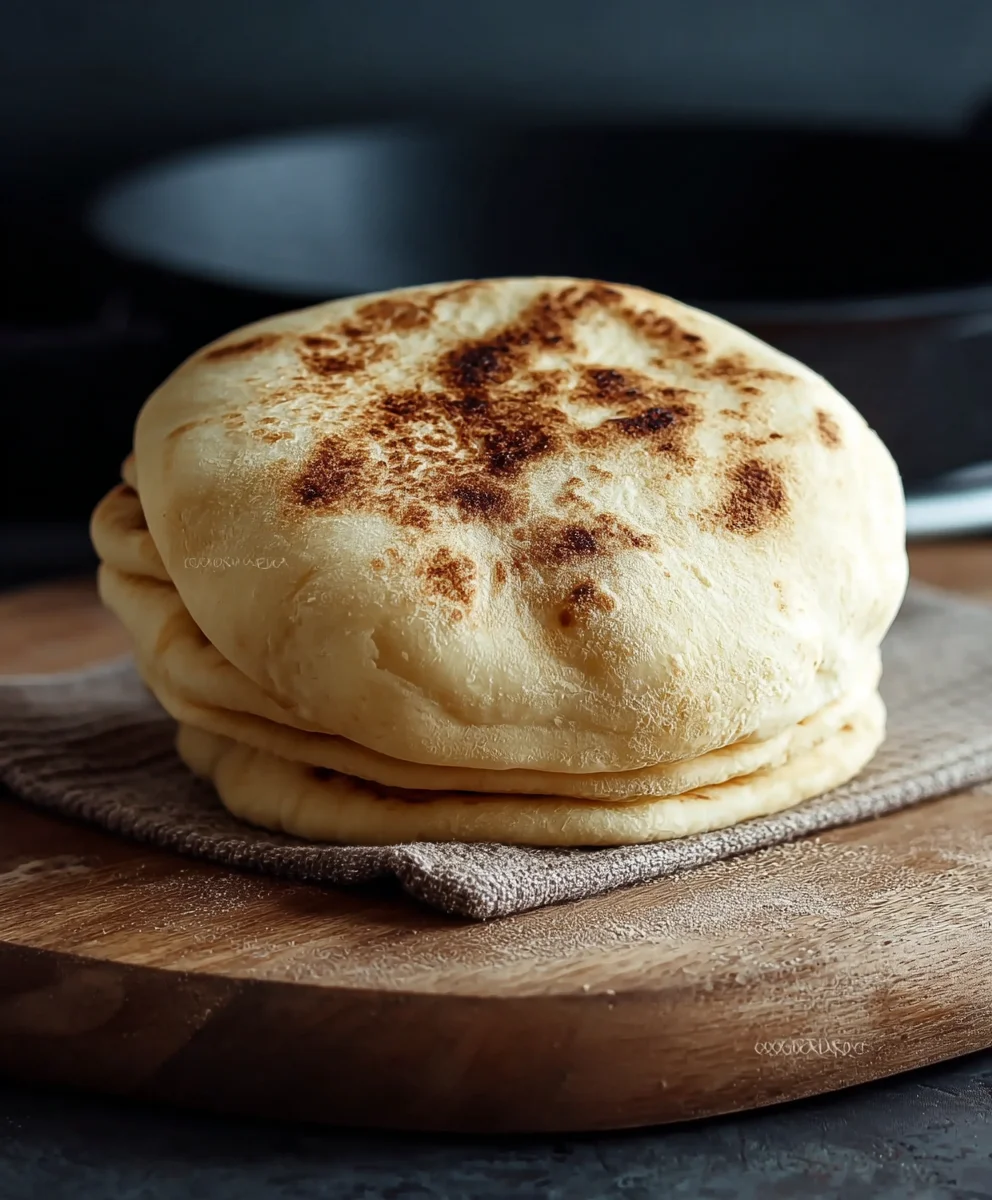
How to make Pita Bread at home is simpler than you might think, and the reward is infinitely more delicious than anything you’ll find pre-packaged. Imagin extracte: warm, pillowy rounds of fresh bread, ready to be stuffed with your favorite fillings or simply enjoyed with a drizzle of olive oil and a sprinkle of za’atar. There’s a reason so many cultures have embraced pita as a staple; its incredible versatility and satisfying chew make it the perfect edible canvas. What truly sets homemade pita bread apart is its incredible texture – that signature pocket forms beautifully in your oven, creating a delightful surprise with every bite. Forget those dry, crum extractbly versions from the supermarket. We’re talking about a soft, slightly chewy masterpiece that will elevate your sandwiches, dips, and wraps to an entirely new level. Get ready to impress yourself and your loved ones with this fantastic recipe!
Ingredients:
- 2 cups All-purpose Flour, plus an additional 1/2 cup for dusting
- 1/2 cup Whole Wheat Flour
- 1 tablespoon Sugar
- 1 teaspoon Salt
- 1 tablespoon Olive Oil
- 2 teaspoons Instant Yeast (or Active Dry Yeast, see notes below for activation)
- 1 cup Warm Water (approximately 105-115°F or 40-46°C)
Preparing the Dough
Step 1: Activate the Yeast (If Using Active Dry Yeast)
If you are using Active Dry Yeast, you’ll need to activate it first. In a small bowl, combine the 1 cup of warm water and the 1 tablespoon of sugar. Sprinkle the 2 teaspoons of yeast over the surface of the water. Let this mixture sit undisturbed for about 5-10 minutes. You should see the yeast begin extract to foam and bubble, indicating that it is alive and active. If it doesn’t foam, your yeast may be expired, and you’ll need to use fresh yeast. If you are using instant yeast, you can skip this activation step and add it directly to your dry ingredients.
Step 2: Combine Dry Ingredients and Form the Dough
In a large mixing bowl, whisk together the 2 cups of all-purpose flour, 1/2 cup of whole wheat flour, and 1 teaspoon of salt. Make a well in the center of the dry ingredients. If you’ve activated your yeast, pour the foamy yeast mixture into the well. If you’re using instant yeast, add the 2 teaspoons of instant yeast directly into the well with the dry ingredients now. Add the 1 tablespoon of olive oil to the well.
gin extractw, begin to mix. Use a wooden spoon or a spatula to gradually incorporate the dry ingredients into the wet ingredients. As the mixture starts to come together, it will become shaggy. Once it’s too difficult to stir with the spoon, it’s time to get your hands in there. Lightly dust your hands with a little bit of the reserved all-purpose flour to prevent sticking. Turn the dough out onto a lightly floured surface.
Step 3: Knead the Dough
Kneading is a crucial step for developing gluten, which gives bread its structgin extract and chew. Begin to knead the dough by pushing it away from you with the heel of your hand, then folding it back towards you. Rotate the dough and repeat the process. Continue kneading for about 8-10 minutes. The dough will gradually transform from a sticky, shaggy mess into a smooth, elastic ball. It should feel slightly tacky but not stick excessively to your hands. If it’s too sticky, add a tiny bit more flour, just a teaspoon at a time. If it feels too dry, you can dampen your hands with a little water. You’re looking for a soft, pliable dough.
First Rise and Shaping
Step 4: First Rise (Proofing)
Lightly grease your large mixing bowl with a little more olive oil. Place the kneaded dough ball into the oiled bowl, turning it to coat all sides with oil. This prevents the dough from drying out as it rises. Cover the bowl tightly with plastic wrap or a damp kitchen towel. Find a warm, draft-free spot for the dough to rise. This could be a slightly warm oven (turned off!), on top of a warm appliance, or simply on your counter in a cozy kitchen. Allow the dough to rise for 1 to 1.5 hours, or until it has doubled in size. The exact time will depend on the ambient temperature of your kitchen.
Step 5: Punch Down and Divide the Dough
Once the dough has doubled in size, gently punch it down in the center to release the accumulated air. Turn the dough out onto a lightly floured surface again. You’ll want to divide the dough into equal portions for your pita breads. For standard-sized pita pockets, divide the dough into 8 equal pieces. You can do this by eye, or for accuracy, you can use a kitchen scnon-alcoholic ale. Roll each piece of dough into a smooth ball.
Step 6: Second Rise and Shaping the Pitas
Cover the dough balls with a clean kitchen towel or plastic wrap and let them rest for another 10-15 minutes. This brief rest will relax the gluten, making them easier to roll out. After resting, take one dough ball at a time and flatten it slightly with your palm. On your lightly floured surface, use a rolling pin to roll out each dough ball into a circle, approximately 6-8 inches in diameter and about 1/4 inch thick. Try to keep the thickness as even as possible, as this will help them puff up evenly during baking. Place the rolled-out pita circles onto parchment-lined baking sheets, making sure not to overcrowd them. You can cover them loosely with plastic wrap while you roll out the rest.
Baking the Pita Bread
Step 7: Baking for the Puff
This is where the magic happens! Preheat your oven to 475°F (245°C) with a baking stone or an inverted baking sheet placed on the middle rack. Allow the oven and the baking stone/sheet to preheat for at least 30 minutes to ensure it’s screaming hot – this intense heat is key for puffing. Carefully transfer 2-3 pita bread circles directly onto the preheated baking stone or inverted baking sheet. You can also bake them directly on the oven rack if you don’t have a stone or inverted sheet, but the results might be slightly less dramatic in terms of puffing. Bake for 2-4 minutesgin extractou should see them begin to puff up like balloons.
Step 8: Flipping and Finishing
After 2-4 minutes, and once the pitas have puffed significantly, carefully use a spatula or tongs to flip them over. Continue to bake for another 2-4 minutes on the second side, or until they are lightly golden brown and have a slightly blistered appearance. They should feel soft and flexible. Remove the baked pita breads from the oven and immediately stack them on a plate, covering them with a clean kitchen towel. The steam trapped within the stack will help keep them soft and pliable as they cool slightly.
Conclusion:
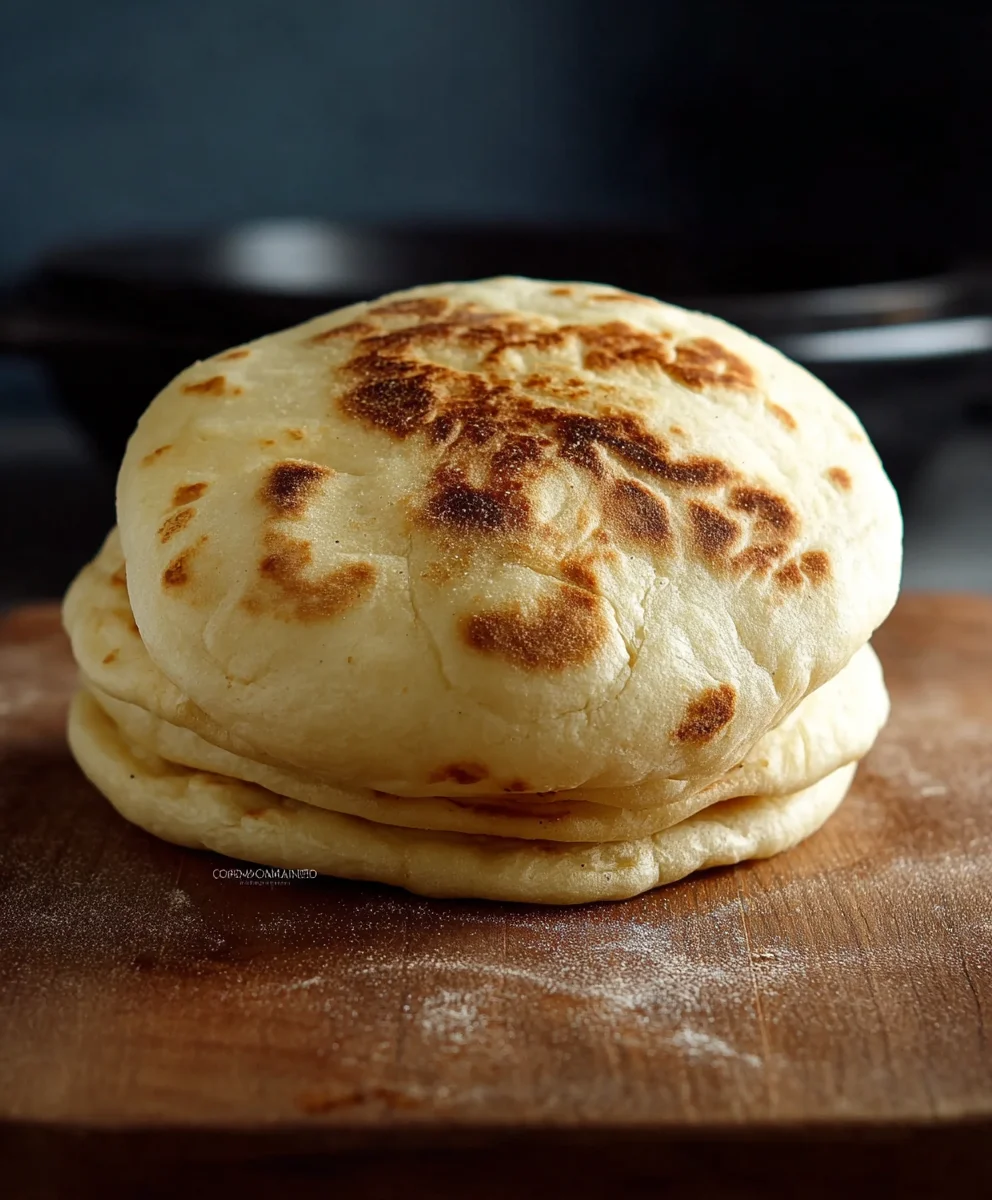
So there you have it! Mastering the art of making How to make Pita Bread at home is incredibly rewarding, and as you can see, it’s far more achievable than you might have initially thought. The aroma of freshly baked pita wafting through your kitchen is truly something special, and the taste of warm, fluffy, homemade pita is simply unparalleled. Don’t be discouraged if your first few attempts aren’t perfectly round or puffy; practice truly makes perfect with this delicious bread. Embrace the process and enjoy the journey of creating your own perfect pita.
For serving suggestions, these delightful pockets are incredibly versatile. They’re the perfect vessel for your favorite falafel, shawarma, or gyro fillings. You can also serve them warm with a side of hummus, baba ghanoush, or tzatziki for dipping. Cut them into triangles and use them as a base for delicious dips or even as a light, crispy pizza crust.
If you’re looking for variations, consider adding a sprinkle of za’atar or sesame seeds to the dough before baking for added flavor and texture. For a whole wheat version, simply substitute half of the all-purpose flour with whole wheat flour. You can also experiment with adding a pinch of herbs or spices directly into the dough.
I encourage you to give this recipe a try. The satisfaction of pulling these beautiful, puffed pita breads out of your oven is immense. Happy baking!
Frequently Asked Questions:
Why isn’t my pita bread puffing up?
Several factors can contribute to pita not puffing. Ensure your oven is sufficiently hot, ideally around 475-500°F (245-260°C). The baking surface, like a pizza stone or baking steel, should also be preheated thoroughly. Make sure you’re not overcrowding the oven, as this can lower the temperature. Also, ensure your dough has been kneaded adequately to develop gluten, which traps the steam needed for puffing. Finally, avoid overworking the dough when shaping; be gentle to keep the air inside.
Can I make pita bread without a very hot oven?
While a very hot oven is ideal for the characteristic puff, you can still make delicious pita bread at a slightly lower temperature, though they may not puff as dramatically. Baking them at around 425°F (220°C) will still result in a wonderfully soft and pliable bread. You might need to bake them for a minute or two longer. Alternatively, you can try pan-frying them on a griddle or cast-iron skillet over medium-high heat until golden brown and cooked through. This method often yields a slightly chewier texture.
Easy Homemade Pita Bread Recipe – Soft & Fluffy
Learn how to make soft and fluffy homemade pita bread from scratch with this easy-to-follow recipe.
Ingredients
-
2 cups All-purpose Flour, plus an additional 1/2 cup for dusting
-
1/2 cup Whole Wheat Flour
-
1 tablespoon Sugar
-
1 teaspoon Salt
-
1 tablespoon Olive Oil
-
2 teaspoons Instant Yeast
-
1 cup Warm Water
Instructions
-
Step 1
In a large mixing bowl, whisk together the all-purpose flour, whole wheat flour, and salt. Make a well in the center. Add the instant yeast, olive oil, and warm water to the well. Gradually mix to form a shaggy dough. Turn onto a floured surface. -
Step 2
Knead the dough for 8-10 minutes until smooth and elastic. It should be slightly tacky but not stick excessively. Add tiny amounts of flour if too sticky, or dampen hands with water if too dry. -
Step 3
Lightly grease the mixing bowl with olive oil. Place the kneaded dough in the bowl, turning to coat. Cover tightly and let rise in a warm, draft-free spot for 1 to 1.5 hours, or until doubled in size. -
Step 4
Punch down the dough and divide it into 8 equal pieces. Roll each piece into a smooth ball. Cover the balls and let rest for 10-15 minutes. -
Step 5
On a floured surface, roll each dough ball into a circle approximately 6-8 inches in diameter and 1/4 inch thick. Place on parchment-lined baking sheets. -
Step 6
Preheat oven to 475°F (245°C) with a baking stone or inverted baking sheet inside for at least 30 minutes. Carefully transfer 2-3 pita circles onto the hot surface. Bake for 2-4 minutes until puffed. -
Step 7
Flip the pitas and bake for another 2-4 minutes until lightly golden brown and blistered. Remove from oven and stack on a plate, covering with a clean towel to keep soft.
Important Information
Nutrition Facts (Per Serving)
It is important to consider this information as approximate and not to use it as definitive health advice.
Allergy Information
Please check ingredients for potential allergens and consult a health professional if in doubt.