Mediterranean Celery Salad – Fresh & Flavorful Recipe
Mediterranean Celery Salad is more than just a side dish; it’s a vibrant burst of sunshine and fresh flavors that I find myself craving all year round. If you’re like me, you’ve probably fallen in love with its delightful crunch and remarkably refreshing profile. What makes this Mediterranean Celery Salad so utterly captivating? It’s the brilliant combination of crisp, cool celery – often overlooked as a humble vegetable – elevated by zesty lemon, briny Kalamata olives, and the creamy richness of feta cheese. It’s a testament to how simple, quality ingredients can create something truly extraordinary. Forget heavy dressings and complicated preparations; this Mediterranean Celery Salad proves that elegance can be found in simplicity, offering a healthy and incredibly satisfying way to brighten any meal.
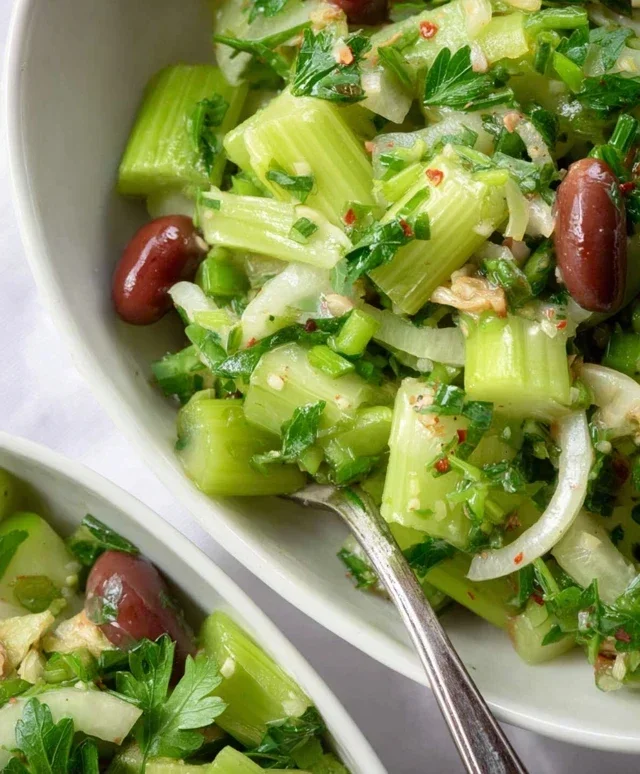
Mediterranean Celery Salad
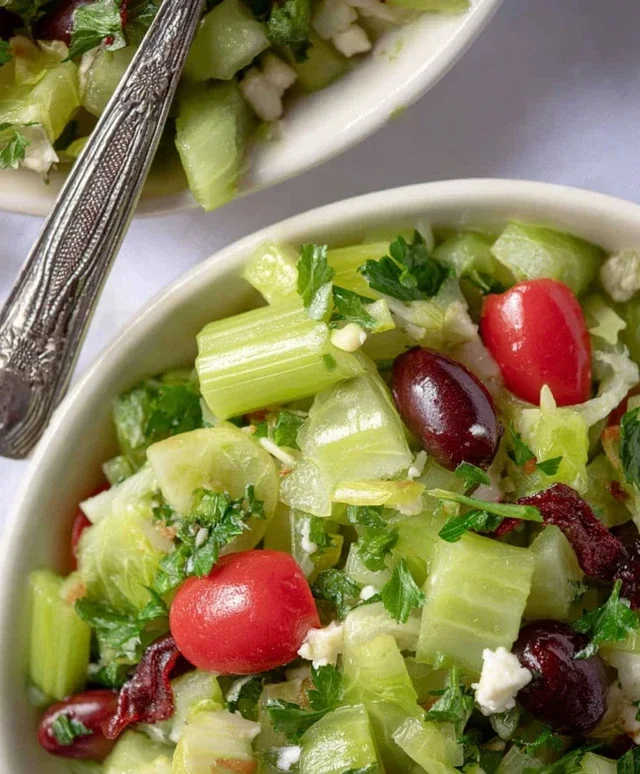
This Mediterranean Celery Salad is a refreshing and vibrant dish that celebrates the crispness of celery with a burst of Mediterranean flavors. It’s the perfect side dish for grilled meats, fish, or as a light lunch on its own. What I love most about this salad is how it transforms humble celery into something truly special, packing a nutritional punch and a delightful textural contrast. The tang of lemon and feta, the saltiness of olives, and the freshness of herbs all come together in perfect harmony. It’s also incredibly versatile, making it a go-to for potlucks and family gatherings.
Ingredients:
Instructions:
Preparing this salad is straightforward and focuses on fresh ingredients. The key is in the preparation of the celery and the balance of the dressing. Let’s get started!
Step 1: Prepare the Celery and Aromatics
Start by preparing your celery. For this salad, we want the celery to be the star, so it’s important to get the texture right. Peel the tough outer strings from the celery stalks using a vegetable peeler. This step ensures a more tender bite. Then, slice the celery stalks thinly on a diagonal. This not only looks more appealing but also provides a larger surface area for the dressing to cling to. Aim for slices that are about 1/8 to 1/4 inch thick. Set the prepared celery aside in a large mixing bowl. Next, we’ll prepare the other fresh components. Halve the cherry tomatoes; this adds a juicy sweetness and a pop of color. Chop your fresh parsley and basil – don’t be shy with the herbs, as they are crucial for that authentic Mediterranean aroma and taste. If you have them, finely chop some of the tender celery leaves. These add an extra layer of celery flavor and reduce waste! Finally, slice your red onion very thinly. If the onion is particularly strong, you can soak the slices in cold water for about 10 minutes and then drain them thoroughly. This mellows out its sharp bite, making it more palatable in a fresh salad. Add all these prepared ingredients – cherry tomatoes, parsley, basil, chopped celery leaves, and red onion – to the bowl with the celery.
Step 2: Whisk Together the Zesty Dressing
Now it’s time to create the dressing that will tie all these wonderful flavors together. In a separate medium bowl or a jar with a tight-fitting lid, combine the extra-virgin extract olive oil and fresh lemon juice. The quality of your olive oil really matters here, so opt for a good quality, flavorful one. Whisk in the lemon zest; this adds a brighter, more intense citrus note than just juice alone. Add the Dijon mustard, which acts as an emulsifier, helping to bind the oil and lemon juice, and also contributes a subtle tang and depth. Sprinkle in the dried oregano. For a delightful kick, add the pitted and chopped kalamata olives. These small additions pack a big punch of briny flavor that complements the other ingredients beautifully. Whisk or shake everything together until the dressing is well combined and emulsified. Taste and adjust seasoning if needed – you might want a pinch more salt or pepper depending on your preference.
Step 3: Incorporate the Olives and Feta
Before tossing everything together, we need to add the “special” salty elements that define the Mediterranean profile. Take your 3 tablespoons of pitted and chopped kalamata olives and add them to the bowl with the vegetables. These will distribute their briny goodness throughout the salad. Crum extractble in your 3 tablespoons of feta cheese. Feta cheese adds a creamy, salty, and slightly tangy counterpoint to the crisp vegetables. Make sure to use good quality feta; its texture and flavor make a significant difference. Gently stir these into the vegetable mixture, distributing them as evenly as possible. The idea is to have pockets of delicious feta and olives in every bite.
Step 4: Combine and Toss the Salad
This is where all the magic happens! Pour the prepared dressing over the ingredients in the large mixing bowl. Begin extract to gently toss the salad. Use large spoons or salad tongs to carefully mix everything together. The goal is to coat all the ingredients evenly with the dressing without bruising the delicate herbs or crushing the vegetables. Take your time with this step. Ensure that every piece of celery, every tomato half, and every sprinkle of herb gets a taste of the dressing. If you’re using a jar for the dressing, you can pour it directly from the jar after giving it a good shake. A gentle folding motion works well here, lifting the ingredients from the bottom and folding them over the top.
Step 5: Chill and Garnish
For the best flavor, allow the salad to sit for at least 15-30 minutes at room temperature, or chill it in the refrigerator for a similar amount of time. This resting period allows the flavors to meld and the celery to slightly soften and absorb the dressing, becoming even more tender and flavorful. When you’re ready to serve, give the salad a final gentle toss. Taste again and adjust seasoning if necessary. Now for the final flourish! Garnish the Mediterranean Celery Salad with a few extra whole or halved Kalamata olives and a sprinkle of crum extractbled feta cheese. This not only enhances the visual appeal but also provides extra bursts of flavor as you eat. This salad is best served fresh, but leftovers can be stored in an airtight container in the refrigerator for a day or two. The texture might change slightly as it sits, but the flavors will continue to develop beautifully. Enjoy this delightful and healthy creation!
Conclusion:
I hope you’ve enjoyed learning about this vibrant and refreshing Mediterranean Celery Salad! It’s truly a fantastic recipe because it’s incredibly easy to assemble, packed with bright, zesty flavors, and offers a delightful crunch that makes it so satisfying. This salad is the epitome of healthy eating without sacrificing taste, making it a perfect addition to any meal. Whether you’re looking for a light lunch, a vibrant side dish, or a healthy potluck contribution, this celery salad delivers.
I love serving it alongside grilled fish or chicken, or even tucked into pita pockets for a light and flavorful sandwich. Don’t be afraid to experiment with variations! You can easily add crum extractbled feta cheese for a salty tang, toasted nuts like almonds or walnuts for extra texture, or a pinch of red pepper flakes for a subtle kick. I truly encourage you to give this Mediterranean Celery Salad a try; I’m confident it will become a new favorite in your culinary repertoire.
Frequently Asked Questions:
Can I make this salad ahead of time?
Yes, absolutely! This Mediterranean Celery Salad actually benefits from being made a little ahead of time. Letting the flavors meld for at least 30 minutes in the refrigerator allows the dressing to really soak into the celery and other ingredients, enhancing the overall taste. It can typically be stored in an airtight container in the fridge for up to 2-3 days.
What if I don’t like olives?
No problem at all! If olives aren’t your preference, you can simply omit them. You can also substitute them with other briny elements like capers or even finely diced pickles for a similar tangy note. Alternatively, consider adding other vegetables like chopped bell peppers (any color works well!) or some sweet corn for added sweetness and texture.
Is this salad suitable for a vegan diet?
Yes, this Mediterranean Celery Salad is inherently vegan-friendly! All the core ingredients – celery, tomatoes, cucumber, red onion, parsley, lemon juice, and olive oil – are plant-based. If you choose to add any variations, just ensure they align with your vegan lifestyle.
Mediterranean Celery Salad
A refreshing and vibrant Mediterranean-inspired celery salad featuring crisp celery, cherry tomatoes, fresh herbs, Kalamata olives, and feta cheese, all tossed in a zesty lemon-Dijon dressing.
Ingredients
-
8 cups organic celery (about 8 large celery stalks), peeled, sliced thin on a diagonal
-
1 cup cherry tomatoes, sliced in half
-
1/2 cup fresh parsley, chopped
-
1/2 cup fresh basil, chopped
-
2-4 tablespoons celery leaves, chopped
-
1/3 cup red onion, peeled and sliced thin
-
3 tablespoons kalamata olives, pitted and chopped
-
3 tablespoons feta cheese
-
1/2 cup extra-virgin olive oil
-
1/4 cup lemon juice
-
1/2 teaspoon grated lemon zest
-
1 tablespoon Dijon mustard
-
1-1/2 teaspoons dried oregano
-
Kalamata olives (extra for garnish)
-
Feta cheese (extra for garnish)
Instructions
-
Step 1
In a large bowl, combine the sliced celery, halved cherry tomatoes, chopped parsley, chopped basil, chopped celery leaves, and thinly sliced red onion. -
Step 2
In a separate small bowl, whisk together the extra-virgin olive oil, lemon juice, grated lemon zest, Dijon mustard, dried oregano, chopped Kalamata olives, and crumbled feta cheese. -
Step 3
Pour the dressing over the celery mixture. -
Step 4
Toss gently to ensure all ingredients are well coated with the dressing. -
Step 5
Taste and adjust seasoning as needed. You may add a pinch of salt and pepper if desired. -
Step 6
Garnish with additional Kalamata olives and feta cheese before serving.
Important Information
Nutrition Facts (Per Serving)
It is important to consider this information as approximate and not to use it as definitive health advice.
Allergy Information
Please check ingredients for potential allergens and consult a health professional if in doubt.