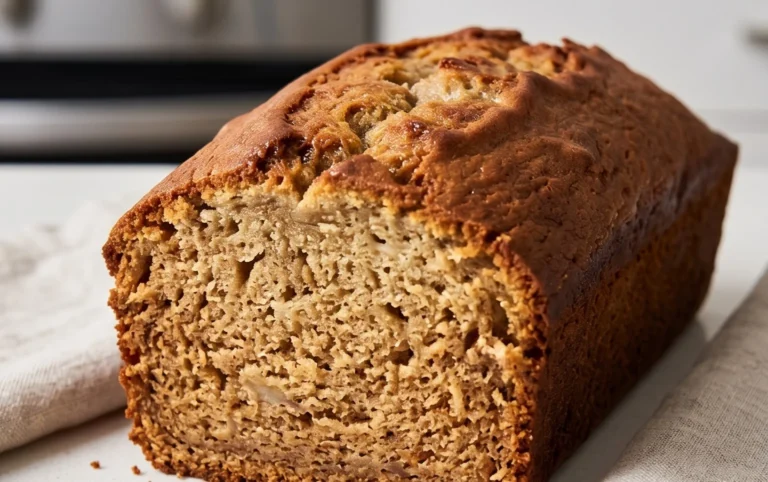
Flaky Homemade Croissants – Easy Recipe
Homemade Flaky Croissants Recipe: Embark on a culinary adventure that will transform your kitchen into a Parisian patisserie! There’s something undeniably magical about a perfectly executed croissant – that shatteringly crisp exterior giving way to an impossibly soft, airy, and buttery interior. It’s the ultimate breakfast indulgence, the star of a leisurely brunch, or the perfect accompaniment to your afternoon coffee. For many, the idea of making these delicate pastries at home seems daunting, a task reserved for seasoned bakers. But I’m here to tell you that with this Homemade Flaky Croissants Recipe, it’s not only achievable but incredibly rewarding. We’ll break down the process step-by-step, demystifying the lamination technique that creates those iconic layers of pure bliss. Get ready to experience the unparalleled joy of biting into a croissant you’ve lovingly crafted from scratch!

Ingredients:
- 2 ¼ teaspoons (1 packet) instant yeast (active dry yeast also works, but may require an extra proofing step)
- ½ cup water, at room temperature (tap water is perfectly fine)
- 3 ½ cups all-purpose flour, plus 2 tablespoons for dusting
- ⅓ cup granulated sugar
- 2 teaspoons salt
- 1 cup whole milk (you can also use 2% milk if that’s what you have on hand)
- 1 large egg, beaten (this is for the egg wash to give the croissants a beautiful golden sheen)
- 1 ½ cups (3 sticks) unsalted butter, cut into roughly 1-inch cubes (aim for slightly cool, but still pliable; not fully softened to room temperature)
Preparing the Dough
Mixing the Dough
- In a small bowl, combine the instant yeast with the room temperature water. Give it a gentle stir and let it sit for about 5-10 minutes. You should see it get a little foamy, which indicates the yeast is active and ready to go. If using active dry yeast, you might want to let it bloom for a bit longer.
- In a large mixing bowl, whisk together the 3 ½ cups of all-purpose flour, granulated sugar, and salt. This ensures all the dry ingredients are evenly distributed before we add the wet ingredients.
- Pour the activated yeast mixture into the bowl with the dry ingredients. Add the whole milk to the bowl as well.
- Using a wooden spoon or a sturdy spatula, mix everything together until a shaggy dough forms. It will look a bit rough and unappealing at this stage, and that’s completely normal. Don’t worry about overmixing here; we’re just aiming to bring all the ingredients together.
- Turn the dough out onto a lightly floured surface. Knead the dough for about 5-7 minutes. You’re looking for a smooth, elastic dough. It should spring back slowly when you gently poke it with your finger. If the dough feels too sticky, add a tiny bit more flour, but be conservative – too much flour will make your croissants tough.
First Rise and Butter Block
- Lightly grease the mixing bowl you used earlier or a clean one with a little oil or cooking spray. Place the kneaded dough into the bowl, turning it once to coat the entire surface.
- Cover the bowl tightly with plastic wrap. Let the dough rise in a warm place for about 1 to 1 ½ hours, or until it has doubled in size. The exact time will depend on the temperature of your kitchen. A good trick for a warm place is to turn your oven on for just a minute, then turn it off and place the dough inside.
- While the dough is rising, it’s time to prepare our butter block. Take your slightly cool, but pliable, unsalted butter and place it between two sheets of parchment paper. Using your rolling pin, gently pound the butter to soften it further and then roll it out into a rectangle approximately 6 inches by 8 inches. You want it to be an even thickness. Once you have your rectangle, place it in the refrigerator to keep it firm until you need it. This step is crucial for achieving those beautiful, flaky layers.
Laminating the Dough
Enclosing the Butter
- Once the dough has doubled in size, gently punch it down to deflate it. Turn the dough out onto a lightly floured surface. Roll the dough into a rectangle that is roughly 12 inches by 8 inches. It doesn’t need to be perfectly precise, but try to keep the thickness relatively even.
- Remove the chilled butter rectangle from the refrigerator. Place the butter block onto one half of the rolled-out dough, leaving a small border around the edges. It’s important that the butter is still firm but not rock solid.
- Fold the other half of the dough over the butter, completely encasing it. Press the edges firmly to seal them, ensuring no butter can escape during the rolling process. This creates your initial butter packet.
The Folding Process (Turns)
- Now comes the lamination! Lightly flour your work surface and your rolling pin. Gently roll the dough rectangle into a long strip, about 24 inches long and 8 inches wide. Try to roll it evenly from the center outwards. If the dough starts to stick, lightly dust with more flour. If the butter starts to ooze out, pop the dough back into the refrigerator for about 15-20 minutes to firm up.
- This is your first “turn.” Brush off any excess flour from the dough. Fold one-third of the dough lengthwise over the center third, like folding a letter. Then, fold the remaining third over the top of that. You should now have a neat rectangle with three layers of dough and two layers of butter. This is a single fold.
- Wrap the folded dough tightly in plastic wrap and refrigerate it for at least 30 minutes. This chilling period is essential to relax the gluten and firm up the butter, making it easier to work with in the next steps and preventing the butter from melting into the dough.
- Repeat the rolling and folding process (steps 1-4 in this section) two more times, for a total of three single folds. After each fold, always wrap the dough and refrigerate it for at least 30 minutes. Ensure you rotate the dough so the seam is not always in the same place when you roll it out. This process builds the many delicate layers that make croissants so wonderfully flaky. After your third and final refrigeration period, your dough is ready for shaping.
Shaping and Baking
Cutting and Rolling
- On a lightly floured surface, roll out the chilled dough into a large rectangle, about 10×20 inches and about ¼ inch thick. Aim for an even thickness. If you notice any resistance, let the dough rest for a few minutes.
- Using a sharp knife or a pizza cutter, trim the edges to create clean lines. Then, cut the rectangle into long, triangular strips. For classic croissants, you’ll want to cut triangles that are about 4 inches wide at the base and about 8-10 inches long.
- Gently make a small slit, about ½ inch long, in the center of the wide base of each triangle. This helps the croissant curl nicely.
- Take the base of one triangle and gently stretch it slightly. Then, starting from the base, roll the dough upwards towards the point. Try to keep the rolling somewhat snug, but not so tight that you press out the layers. As you roll, you can gently pull the dough outward to elongate the croissant shape.
- Curve the ends of the rolled dough inward to create the classic crescent shape. Place the shaped croissants onto baking sheets lined with parchment paper, leaving plenty of space between them as they will expand.
Final Proof and Baking
- Cover the shaped croissants loosely with plastic wrap. Let them proof in a warm place for about 1 to 1 ½ hours, or until they are puffy and have increased in size. They should look noticeably larger and feel airy.
- About 15 minutes before you plan to bake, preheat your oven to 400°F (200°C).
- In a small bowl, whisk together the beaten egg with a tablespoon of water or milk to create your egg wash. This is what gives the croissants their beautiful golden-brown color and glossy finish.
- Gently brush the tops and sides of each proofed croissant with the egg wash. Be thorough, ensuring good coverage for an even color.
- Place the baking sheets into the preheated oven. Bake for 18-25 minutes, or until the croissants are deeply golden brown and have puffed up significantly. If they start to brown too quickly, you can loosely tent them with aluminum foil.
- Once baked to perfection, remove the croissants from the oven and let them cool on a wire rack for at least 10-15 minutes before enjoying. This allows the internal structure to set and the flavors to fully develop.

Conclusion:
We’ve reached the end of our delightful journey into crafting the perfect Homemade Flaky Croissants Recipe. I hope you feel inspired and confident to tackle this rewarding baking project. Remember, the key to success lies in patience, precision with the butter layers, and maintaining a cool environment. The satisfaction of pulling a tray of golden, airy croissants from your oven is truly unparalleled. These croissants are incredibly versatile, perfect enjoyed simply with butter and jam for breakfast, or elevated into delightful sandwiches for lunch. Don’t be afraid to experiment with fillings like chocolate, cheese, or almond paste once you’ve mastered the basic technique.
I encourage you to give this Homemade Flaky Croissants Recipe a try. The process is a labor of love, but the results are undeniably worth every step. Happy baking!
Frequently Asked Questions:
Can I make the dough ahead of time?
Absolutely! The dough for the Homemade Flaky Croissants Recipe can be made one day in advance and kept refrigerated. This allows the flavors to meld and makes the dough easier to handle for lamination.
My croissants didn’t get very flaky. What could I have done wrong?
The most common reasons for less-than-flaky croissants include not having enough distinct butter layers, the butter melting too much during the folding process, or not allowing sufficient resting time between folds. Ensure your butter is well-chilled and your workspace remains cool throughout the lamination steps.
Can I freeze the shaped croissants before baking?
Yes, you can freeze the shaped croissants before their final proof. Once shaped and placed on a baking sheet, freeze them until firm, then transfer them to a freezer-safe bag or container. Thaw them overnight in the refrigerator and then let them proof at room temperature before baking.
Flaky Homemade Croissants – Easy Recipe
A step-by-step guide to making delicious, flaky homemade croissants from scratch, perfect for any baking enthusiast.
Ingredients
-
2 ¼ teaspoons instant yeast
-
½ cup water, room temperature
-
3 ½ cups all-purpose flour, plus 2 tablespoons for dusting
-
⅓ cup granulated sugar
-
2 teaspoons salt
-
1 cup whole milk
-
1 large egg, beaten
-
1 ½ cups unsalted butter, cut into roughly 1-inch cubes
Instructions
-
Step 1
Activate yeast in warm water. Whisk dry ingredients. Combine wet and dry ingredients until a shaggy dough forms. Knead for 5-7 minutes until smooth and elastic. -
Step 2
Place dough in a greased bowl, cover, and let rise in a warm place for 1-1.5 hours until doubled. Prepare butter block by pounding and rolling butter into a 6×8 inch rectangle and chilling. -
Step 3
Roll out risen dough to 12×8 inches. Place chilled butter block on one half, fold the other half over to enclose, and seal edges. This is the initial butter packet. -
Step 4
Laminate the dough: Roll the packet into a 24×8 inch strip. Fold into thirds like a letter (single fold). Wrap and refrigerate for at least 30 minutes. Repeat this rolling and folding process two more times, with chilling periods in between. -
Step 5
Roll out the chilled dough to 10×20 inches and ¼ inch thick. Trim edges and cut into long triangular strips. Make a small slit at the base of each triangle. Roll each triangle from the base to the tip, then curve into a crescent shape. Place on parchment-lined baking sheets. -
Step 6
Cover shaped croissants loosely and let proof in a warm place for 1-1.5 hours until puffy. Preheat oven to 400°F (200°C). Whisk egg with 1 tbsp water or milk for egg wash. Brush croissants with egg wash. -
Step 7
Bake for 18-25 minutes until deeply golden brown. Let cool on a wire rack for 10-15 minutes before serving.
Important Information
Nutrition Facts (Per Serving)
It is important to consider this information as approximate and not to use it as definitive health advice.
Allergy Information
Please check ingredients for potential allergens and consult a health professional if in doubt.