Easy Tanghulu Recipe – Candied Fruit Perfection
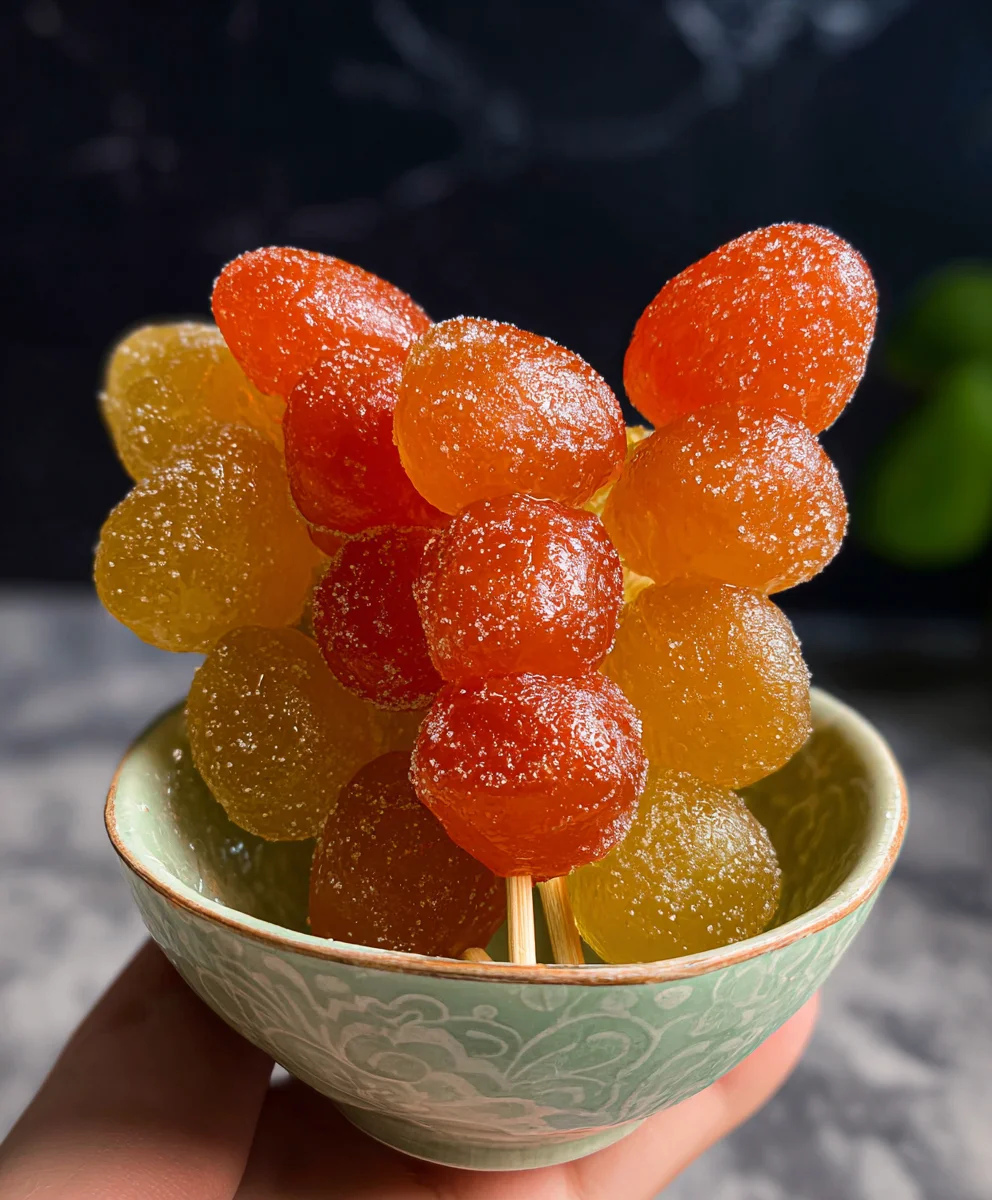
Tanghulu recipe (Chinese candied fruit) is more than just a dessert; it’s a vibrant edible work of art and a nostalgic childhood memory for millions. Imagin extracte bite-sized pieces of fresh fruit, glistening under a translucent, crackling sugar shell – that’s the magic of tanghulu. This beloved street food delicgin extract, originating from China, captivates with its delightful contrast of textures and flavors. The crisp sweetness of the hardened sugar coating gives way to the juicy, often tart, burst of whatever fruit lies within. From classic strawberries and grapes to more adventurous options like kiwi and mandarins, the possibilities are as endgin extracts as your imagination. What truly sets this Tanghulu recipe (Chinese candied fruit) apart is its simplicity, yet the visual appeal and satisfying crunch make it feel incredibly special, perfect for impressing guests or simply treating yourself to a moment of pure, unadulterated joy.
Why You’ll Love This Tanghulu Recipe
This isn’t just about a sweet treat; it’s about recreating a captivating culinary experience. We’ll guide you through each step, ensuring you achieve that perfect, shatteringly crisp candy coating that is the hallmark of authentic tanghulu. Get ready to create a dessert that’s as fun to magin extractas it is to eat, bringing a touch of festive charm to any occasion.
Ingredients:
- 1 lb strawberries, grapes, or other fruit of choice (~30 pieces)
- 2 cups white sugar
- 1 cup water
Preparing Your Fruit
The first crucial step in creating a perfect Tanghulu recipe is selecting and preparing your fruit. I like to use a mix of vibrant, firm fruits for the best visual appeal and taste. Strawberries are a classic choice, and their slight tartness balances beautifully with the sweet candy coating. Grapes, especially seedless varieties like green or red seedless, are also incredibly popular and offer a satisfying pop. If you’re feeling adventurous, consider trying other fruits like cherry tomatoes (surprisingly delicious!), kumquats, or even small chunks of apple or pear.
Regardless of your fruit choice, thorough preparation is key. If you’re using strawberries, gently wash them and pat them completely dry with a paper towel. Any residual moisture can interfere with the candy coating setting properly. For grapes, a quick rinse and pat dry is sufficient. If you opt for larger fruits, cut them into bite-sized pieces that are easy to manage on a skewer. It’s also a good idea to remove any stems or leaves. For fruits like apples or pears, you might want to core them before cutting them into pieces. The goal is to have uniformly sized pieces that will cook evenly and look attractive.
Once your fruit is clean and dry, it’s time to assemble them onto skewers. I typically use wooden skewers, but you can also use popsicle sticks or even bamboo skewers. For smaller fruits like grapes or strawberries, you can thread several onto a single skewer. For larger pieces, one or two per skewer is usually enough. Aim for an even distribution of fruit on each skewer, ensuring there’s a small gap between each piece to allow the candy coating to adhere evenly. This also makes them easier to handle when dipping. Don’t overcrowd the skewers, as this can make dipping and coating difficult.
Making the Sugar Syrup
Now comes the magical transformation: making the candy coating. This is where precision and a little bit of patience are rewarded. You’ll need a medium-sized saucepan for this. Combine the 2 cups of white sugar and 1 cup of water in the saucepan. Do not stir the mixture at this point. Place the saucepan over medium heat. The sugar will gradually dissolve in the water as it heats up.
Resist the urge to stir the sugar and water mixture once it starts to heat. Stirring can cause sugar crystals to form, leading to a grainy candy coating. Instead, let the heat do the work. You’ll see the mixture begin extract to bubble and simmer. As the water evaporates, the sugar concentration increases, and the syrup will start to thicken.
This process requires careful monitoring of the temperature. You’re aiming for a specific temperature range to achieve the right candy consistency. Ideally, you’ll use a candy thermometer. You want to reach a temperature of around 300-310 degrees Fahrenheit (150-155 degrees Celsius), which is the hard crack stage. If you don’t have a candy thermometer, you can test the syrup by dropping a small amount into a bowl of ice-cold water. If it forms hard, brittle threads that snap easily, it’s ready. If it’s still soft and pliable, continue cooking. This stage typically takes about 10-15 minutes of simmering without stirring.
It’s important to be vigilant during this stage, as the sugar syrup can go from perfect to burnt very quickly. Keep an eye on the color; it should be a light amber or golden hue. If it starts to turn a dark brown, it’s likely overcooked and will have a bitter taste. If you see any signs of burning, it’s best to discard the batch and start over.
Coating the Fruit
Once your sugar syrup has reached the correct temperature, it’s time for the most exciting part: coating your fruit skewers. Carefully remove the saucepan from the heat. Working quickly but cautiously (molten sugar is extremely hot!), dip each fruit skewer into the hot syrup. You want to ensure that the fruit is fully submerged in the syrup. You can gently swirl the skewer to coat all sides.
As you dip, the syrup will cling to the fruigin extractnd begin to harden as it cools. Aim for a thin, even coating. Don’t try to get too thick a layer on the first dip, as it can be difficult to manage. A single, quick dip is usually sufficient. If you feel the coating isn’t thick enough, you can carefully dip it again, but be mindful of the syrup’s temperature.
Immediately after dipping, lift the skewer out of the syrup and allow any excess syrup to drip back into the saucepan for a second or two. Then, carefully place the coated skewer onto a baking sheet lined with parchment paper or a silicone baking mat. This prevents the candy from sticking to the surface as it hardens. Arrange the skewers so they are not touching each other to ensure they cool and harden independently.
Repeat this dipping process for all of your prepared fruit skewers. The syrup will start to thicken as you work, so you may need to return the saucepan to very low heat for a moment to keep it pliable. However, be extremely careful not to overheat the syrup, as this can lead to burning. The key is to work efficiently to get a smooth, glassy coating.
Cooling and Hardening
The final step is allowing your Tanghulu to cool and harden completely. This is essential for achieving that signature crisp, glassy shell. Once all your skewers are coated and placed on the prepared baking sheet, leave them undisturbed at room temperature. Avoid the temptation to touch them or try to move them too early, as this can disrupt the hardening process and result in a sticky or uneven coating.
The cooling time can vary depending on the ambient temperature and humidity, but generally, it takes about 20-30 minutes for the candy coating to fully harden. You’ll notice the syrup transforming from a liquid state to a hard, brittle shell. If you’re in a hurry or live in a humid climate, you can speed up the process by placing the baking sheet in the refrigerator for about 10-15 minutes, but allow them to finish hardening at room temperature for the best texture.
Once the Tanghulu is completely cool and the candy shell is firm and shiny, it’s ready to be enjoyed! They are best eaten the same day they are made, as the candy coating can start to absorb moisture from the air over time, becoming sticky. Store any uneaten Tanghulu in an airtight container at room temperature, but try to consume them within 24 hours for the optimal crunchy experience. The contrasting textures of the crisp candy shell and the juicy fruit inside are what make Tanghulu so incredibly addictive and satisfying.
Conclusion:
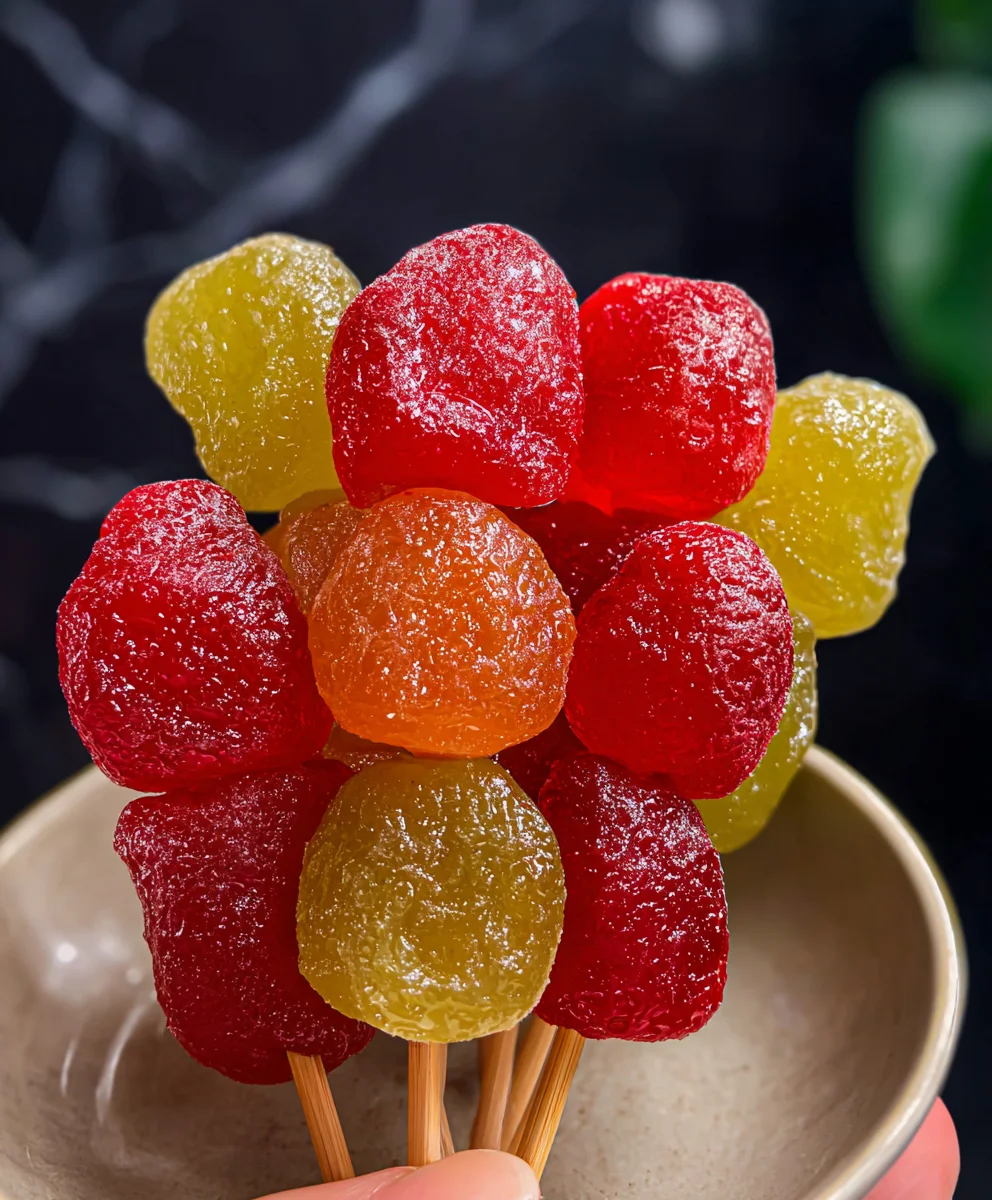
And there you have it – a delightful and visually stunning Tanghulu Recipe (Chinese Candied Fruit) that’s surprisingly achievable in your own kitchen! We’ve walked through each step, from preparing your chosen fruits to achieving that perfectly crisp, glassy sugar coating. The result is a wonderfully sweet and slightly tart treat that’s a joy to make and even more of a joy to share. Don’t be intimidated by the candying process; with a little patience and attention, you’ll master it in no time.
For serving, Tanghulu is best enjoyed fresh, so you can crack into that satisfyingly brittle shell. They make for a fantastic dessert, a fun party snack, or even a special treat to brighten your day. Feel free to experiment with different fruits like grapes, strawberries, or even small segments of citrus. Another fun variation is to add a touch of edible glitter to the sugar syrup for an extra touch of magic, or even try a swirl of food coloring for a vibrant presentation. We truly encourage you to give this Tanghulu Recipe (Chinese Candied Fruit) a try and discover the simple pleasure of homemade candied fruit!
Frequently Asked Questions about Tanghulu Recipe (Chinese Candied Fruit):
Q1: My sugar coating is sticky, not hard. What went wrong?
This usually happens if the sugar syrup hasn’t reached the right temperature. You need to cook the sugar and water mixture to the “hard crack” stage, which is around 300-310°F (150-154°C). Using a candy thermometer is highly recommended for accuracy. If you don’t have one, you can test by dropping a bit of syrup into cold water; it should form brittle threads that snap easily.
Q2: Can I make Tanghulu ahead of time?
Tanghulu is best consumed the same day it’s made for optimal crispness. The sugar coating can absorb moisture from the air, causing it to become sticky and lose its characteristic crunch over time. If you need to prepare them a few hours in advance, store them in an airtight container at room temperature, but aim to eat them as soon as possible.
Easy Tanghulu Recipe – Candied Fruit Perfection
Create perfectly candied fruit with this easy Tanghulu recipe, featuring a crisp, glassy sugar shell.
Ingredients
-
1 lb strawberries, grapes, or other fruit of choice (~30 pieces)
-
2 cups white sugar
-
1 cup water
-
Wooden skewers
-
Parchment paper
-
Silicone baking mat
Instructions
-
Step 1
Wash and thoroughly dry your chosen fruits. If using larger fruits, cut them into bite-sized pieces. Remove stems and leaves. Assemble fruits onto skewers, leaving a small gap between pieces. -
Step 2
In a medium saucepan, combine sugar and water. Do not stir. Place over medium heat until sugar dissolves. -
Step 3
Simmer the syrup without stirring until it reaches the hard crack stage (300-310°F or 150-155°C), or until a drop in ice water forms brittle threads. Watch for a light amber color; avoid burning. -
Step 4
Working quickly and carefully, dip each fruit skewer into the hot syrup, ensuring full submersion. Swirl gently for an even coat. Allow excess syrup to drip back. -
Step 5
Place coated skewers onto a baking sheet lined with parchment paper or a silicone mat, ensuring they don’t touch. Return syrup to very low heat if it thickens. -
Step 6
Let the Tanghulu cool and harden at room temperature for 20-30 minutes until the candy shell is firm and shiny. Refrigeration can speed up hardening but finish at room temperature for best texture.
Important Information
Nutrition Facts (Per Serving)
It is important to consider this information as approximate and not to use it as definitive health advice.
Allergy Information
Please check ingredients for potential allergens and consult a health professional if in doubt.