Easy Lemon Vinaigrette Dressing Recipe- Simple & Fresh
Basic Lemon Vinaigrette Dressing is the unsung hero of my kitchen, and I bet it’s yours too, even if you didn’t know it by name! This simple, bright dressing is the secret weapon behind countless delicious salads, the tangy counterpart to roasted vegetables, and the light touch that elevates grilled fish. Why is it so beloved? Because it’s effortlessly elegant and incredibly versatile. It’s the antithesis of fussy, pre-packaged dressings, offering a fresh, homemade taste that’s simply unbeatable. What makes this basic lemon vinaigrette dressing truly special is its purity. With just a handful of common pantry staples, you can create something so vibrant and flavorful that it will transform your everyday meals from good to absolutely sensational. It’s a foundational recipe that unlocks a world of culinary possibilities, and I can’t wait to share how easy it is to master.
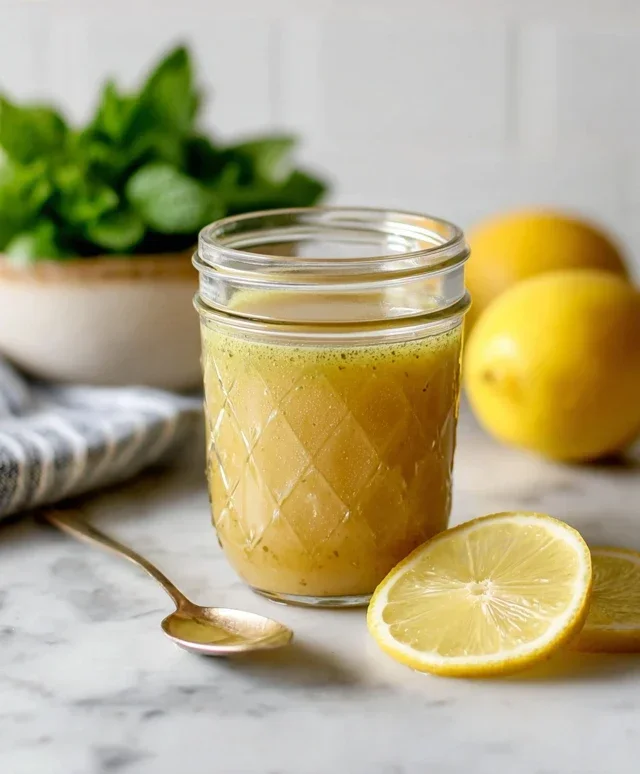
Basic Lemon Vinaigrette Dressing
There’s something incredibly satisfying about a homemade salad dressing. Forget those store-bought concoctions filled with preservatives and ingredients you can’t pronounce. Today, we’re diving into the wonderfully simple yet incredibly versatile world of basic lemon vinaigrette. This is my go-to dressing for everything from a simple side salad to a hearty grain bowl. It’s bright, zesty, and takes mere minutes to whip up, elevating any dish with its fresh, tangy flavor. The beauty of this recipe lies in its adaptability. Feel free to play around with the ratios once you’ve mastered the basics – a little more lemon for extra zing, a touch more honey for sweetness, or even a pinch of red pepper flakes for a hint of heat. But for now, let’s master the foundation.
Ingredients:
Now that we have our ingredients gathered, let’s get to the fun part: creating this delightful dressing. The process is so straightforward, you’ll wonder why you ever bought dressing before.
Crafting Your Lemon Vinaigrette
The beauty of a vinaigrette is its simplicity. It’s essentially an emulsion of oil and acid, with a few flavor boosters thrown in. We’ll be using a whisk to bring it all together, but a jar method works just as beautifully, especially if you want to make a larger batch and store it.
Step 1: Building the Flavor Base
In a medium-sized bowl, the first thing we’ll do is combine our acidic elements and our flavorings. Start by adding the apple cider vinegar and the fresh lemon juice to the bowl. These are the stars of our show, providing that characteristic tang. Next, pour in the water. This helps to slightly mellow the intensity of the vinegar and lemon juice, making the dressing more balanced. Now, for the magic that will help our ingredients emulsify beautifully: the Dijon mustard. Add the tablespoon of Dijon mustard to the bowl. Dijon is fantastic because it not only adds a wonderful savory depth but also acts as an emulsifier, helping to bind the oil and vinegar together so they don’t separate as quickly.
Step 2: Sweetening and Seasoning
With our acidic base in place, it’s time to introduce a touch of sweetness and our aromatic elements. Add your chosen sweetener – 2 teaspoons of honey or maple syrup. If you’re watching your sugar intake or prefer a sugar-free option, a few drops of stevia, adjusted to your taste, will work perfectly. Remember, you can always add more sweetness later if needed, so start with the suggested amount. Now, let’s bring in the herbs and spices. Add the dried oregano. If you’re using fresh oregano, be generous and add a full tablespoon, chopped finely. Fresh herbs always offer a brighter, more vibrant flavor. Follow this with the minced garlic. Using fresh garlic makes a world of difference in flavor, but if you’re in a pinch, a tiny pinch of garlic powder can suffice in a pinch, though it won’t be quite the same. Finally, season with ½ teaspoon of sea salt and ¼ teaspoon of black pepper. These simple seasonings are crucial for bringin extractg out all the other flavors in the dressing.
Step 3: The Gentle Whisking
Now it’s time to bring these components together. Grab your whisk and begin extract to gently whisk the ingredients in the bowl. You want to mix everything thoroughly until the honey or maple syrup is completely dissolved and the garlic is well distributed. You’ll notice the mixture will start to look a little cloudy, and that’s perfectly normal. This initial whisking helps to prepare the base for the oil. Don’t over-whisk at this stage; we’re just combining the initial ingredients.
Step 4: Emulsifying with Olive Oil
This is arguably the most important step in creating a stable vinaigrette. We’re going to slowly drizzle in the olive oil while continuously whisking. Start by pouring the olive oil in a very thin, steady stream. As you pour, keep whisking vigorously. You’ll see the mixture begin extract to thicken and turn opaque. The constant whisking, combined with the emulsifying properties of the Dijon mustard, helps to create a beautiful, homogenous dressing. Continue adding the olive oil in this slow, steady stream until all of the ½ cup plus 2 tablespoons have been incorporated. Don’t rush this process; taking your time here will result in a vinaigrette that stays together much longer. You’re looking for a creamy, slightly thickened consistency. If you accidentally pour the oil in too quickly, your vinaigrette might break (separate). Don’t despair if this happens; you can often fix it by starting with a fresh teaspoon of Dijon mustard in a separate bowl and slowly whisking the broken vinaigrette into it.
Step 5: Taste and Adjust
The final and most crucial step is to taste your creation! Dip a clean spoon into the vinaigrette and give it a taste. Is it tangy enough? Does it need a little more sweetness? Perhaps a bit more salt or pepper? This is your chance to customize it to your exact preferences. Add more lemon juice or vinegar for tang, more honey or maple syrup for sweetness, or more salt and pepper to enhance the flavors. Whisk gently after each adjustment to ensure everything is well incorporated. Once you’re happy with the flavor profile, your basic lemon vinaigrette is ready to be used!
This versatile dressing is fantastic on green salads, but don’t stop there! Drizzle it over roasted vegetables, use it as a marinade for chicken or fish, or even toss it with cooked grains for a flavorful side dish. Store any leftovers in an airtight container in the refrigerator for up to a week. The oil and vinegar may separate over time, but a quick whisk or shake will bring it right back together. Enjoy!
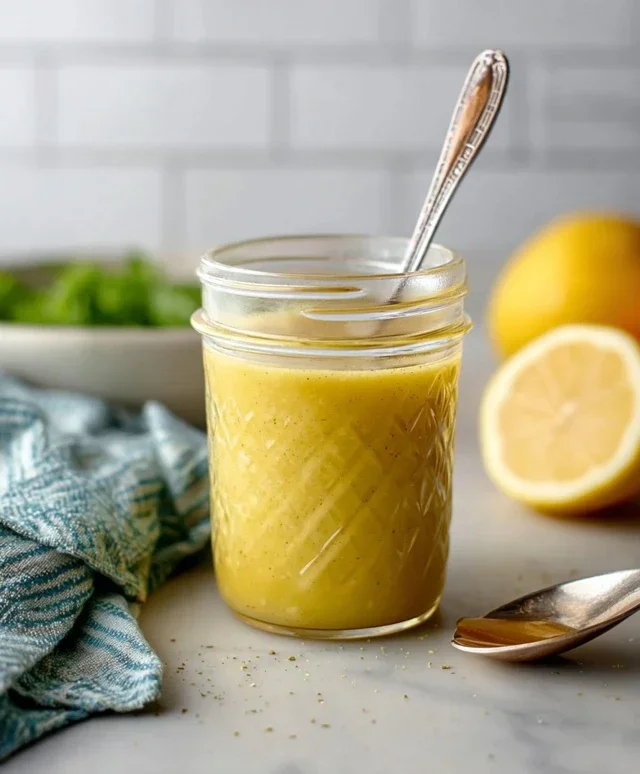
Conclusion:
And there you have it! My tried-and-true basic lemon vinaigrette dressing. This recipe is an absolute lifesaver because it’s so incredibly simple, requiring just a few pantry staples, yet delivers a burst of bright, zesty flavor that elevates any dish. It’s the perfect example of how a few quality ingredients can transform a meal. I love using it not just on simple green salads, but also as a marinade for chicken or fish, a drizzle over roasted vegetables, or even to tie together a grain bowl. The beauty of this dressing lies in its versatility. Don’t be afraid to experiment with adding a pinch of Dijon mustard for a little extra tang, a touch of honey or maple syrup for a hint of sweetness, or even some minced garlic or fresh herbs like parsley or chives. Give this fundamental recipe a try; I promise you’ll find yourself reaching for it again and again, making it your go-to for quick, delicious, and healthy dressings!
Frequently Asked Questions:
How long does this basic lemon vinaigrette dressing last?
Stored in an airtight container in the refrigerator, this dressing should stay fresh for about 1 to 2 weeks. The olive oil might solidify a bit when cold, but just let it sit at room temperature for a few minutes and give it a good shake to recombine.
Can I use a different type of oil?
Absolutely! While extra virgin extract olive oil is my preference for its flavor, you can certainly substitute it with other oils like avocado oil or a neutral vegetable oil if you prefer a milder taste. Experimenting with different oils is another fun way to create variations!
What’s the best way to emulsify the dressing?
The easiest method is to vigorously whisk the ingredients together in a bowl until they are well combined and slightly thickened. For a smoother, more stable emulsion, you can also combine all the ingredients in a jar, seal it tightly, and shake it vigorously until thoroughly mixed.
Basic Lemon Vinaigrette Dressing
A simple and versatile vinaigrette perfect for salads and marinades.
Ingredients
-
¼ cup apple cider vinegar
-
2 Tablespoons fresh lemon juice
-
2 Tablespoons water
-
1 Tablespoon dijon mustard
-
2 teaspoons honey or maple syrup
-
1 teaspoon dried oregano
-
1 clove garlic, minced
-
½ teaspoon sea salt
-
¼ teaspoon black pepper
-
½ cup + 2 Tablespoons olive oil
Instructions
-
Step 1
In a small bowl, whisk together the apple cider vinegar, fresh lemon juice, water, dijon mustard, honey or maple syrup, dried oregano, minced garlic, sea salt, and black pepper. -
Step 2
Slowly drizzle in the olive oil while continuously whisking. This emulsifies the dressing. -
Step 3
Continue whisking until the dressing is well combined and slightly thickened. -
Step 4
Taste and adjust seasonings as needed. -
Step 5
Pour over your favorite salad or use as a marinade. -
Step 6
Store any leftover dressing in an airtight container in the refrigerator for up to one week.
Important Information
Nutrition Facts (Per Serving)
It is important to consider this information as approximate and not to use it as definitive health advice.
Allergy Information
Please check ingredients for potential allergens and consult a health professional if in doubt.