Easy Calabacitas Recipe – Delicious Mexican Squash Dish
Calabacitas, oh how I love thee! This vibrant and versatile dish is a staple in my kitchen, and for good reason. It’s more than just a side dish; it’s a celebration of fresh, simple ingredients that come together to create something truly magical. Have you ever tasted the sweet, tender bite of zucchini and summer squash, simmered with the subtle warmth of chilies and the savory depth of onion and garlic? That’s the heart of calabacitas, and it’s a flavor profile that’s utterly irresistible. It’s the kind of food that feels both comforting and exciting, a perfect balance that makes it a go-to for weeknight dinners and festive gatherings alike. What truly makes calabacitas special is its inherent adaptability. It’s a canvas for your creativity, easily enhanced with cheese, corn, or even a touch of cream, transforming it into a creamy, dreamy delight. It’s the embodiment of fresh, wholesome eating, and I can’t wait to share my favorite way to prepare it with you.
Calabacitas: A Taste of Summer Garden Delight
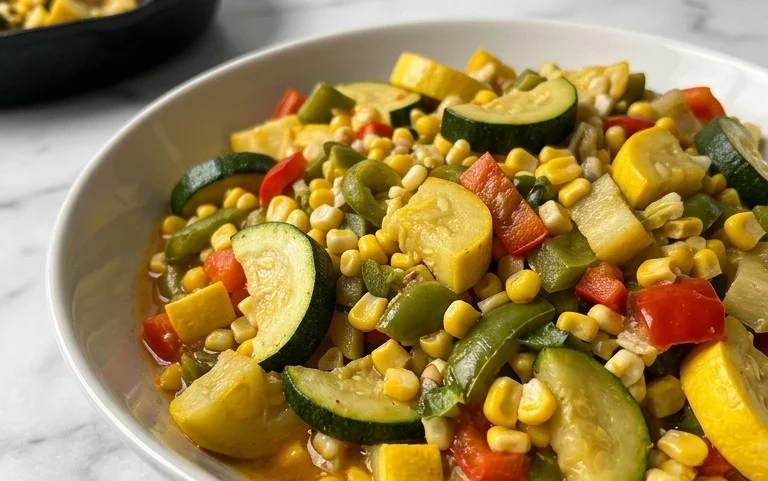
Calabacitas, meaning “little squashes” in Spanish, is a quintessential Mexican side dish that captures the vibrant flavors of summer. This simple yet incredibly satisfying recipe highlights the sweetness of corn and the tender bite of zucchini and yellow squash, brought together with a subtle kick of spice. It’s the kind of dish that feels both comforting and refreshing, perfect for any occasion, from a casual weeknight dinner to a festive gathering. What I love most about calabacitas is its versatility. It’s fantastic served alongside grilled meats, fish, or chicken, but it’s also hearty enough to stand on its own as a delicious vegetarian main course, perhaps served with some warm tortillas or a dollop of sour cream. The beauty of this dish lies in its simplicity and the way it allows the fresh produce to shine. It’s a celebration of garden bounty, easily adaptable to what you have on hand. Let’s dive into creating this flavorful and colorful dish!
Ingredients:
Cooking Instructions:
Sautéing the Aromatics and Peppers
Begin extract by preparing your vegetables. Ensure your onion, poblano pepper, and jalapeño pepper are finely diced. If you prefer a milder dish, carefully remove the seeds and membranes from the jalapeño before dicing. Heat the olive oil in a large skillet or Dutch oven over medium heat. Once the oil is shimmering, add the diced onion. Cook the onion, stirring occasionally, until it becomes translucent and softened, which typically takes about 5-7 minutes. This initial sautéing of the onion builds a foundational sweetness and aroma for the dish. Next, add the diced poblano pepper and the prepared jalapeño pepper to the skillet. Continue to cook for another 5-7 minutes, stirring frequently, until the peppers begin extract to soften. The poblano will release its mild, earthy flavor, while the jalapeño will add a gentle warmth.
Adding the Squash and Tomatoes
Now it’s time to introduce the star squashes. Add the sliced zucchini and yellow squash to the skillet. Stir everything together to coat the squash with the oil and aromatics. Cook for about 5-7 minutes, allowing the squash to begin extract to soften slightly. You want them to retain a bit of their bite at this stage, as they will continue to cook. Add the diced Roma tomatoes to the skillet. The tomatoes will contribute moisture and a touch of acidity, which balances the sweetness of the squash and corn. Stir gently to combine all the ingredients.
Infusing with Garlic and Spices
At this point, add the minced garlic to the skillet. Cook for about 1 minute, stirring constantly, until fragrant. Be careful not to burn the garlic, as this can impart a bitter flavor. Next, sprinkle in the kosher salt, freshly ground black pepper, dried oregano, and ground cumin. Stir well to evenly distribute the seasonings throughout the vegetable mixture. The oregano will lend a lovely herbaceous note, while the cumin adds a subtle warmth and earthiness that is characteristic of Mexican cuisine.
Simmering to Perfection
Pour the ¼ cup of water into the skillet. This water will help create a little steam, ensuring the vegetables cook through evenly and tenderly, and will also help meld the flavors together. Bring the mixture to a gentle simmer. Once simmering, reduce the heat to low, cover the skillet, and let it cook for about 10-15 minutes. During this time, the vegetables will become tender. Stir occasionally to prevent sticking and to ensure even cooking. You’re looking for the squash to be tender but not mushy, with a delightful slight bite. Taste the mixture and adjust seasoning with more salt and pepper if needed.
Finishing Touches and Serving
Once the vegetables have reached your desired tenderness, uncover the skillet. If there is excess liquid, you can increase the heat slightly and cook uncovered for a few minutes to allow some of it to evaporate. Stir in the corn. If you are using fresh or frozen corn, cook for just a few minutes until heated through. If you are using canned corn, simply stir it in to warm it up. Finally, sprinkle the shredded cheddar cheese over the top of the calabacitas. Cover the skillet for another minute or two, or until the cheese has melted and become wonderfully gooey. Serve your delicious calabacitas hot. This dish is incredibly versatile and pairs wonderfully with grilled meats, roasted chicken, or even as a flavorful vegetarian main course served with warm corn tortillas. Enjoy this taste of pure summer!
Conclusion:
I truly hope you’ve enjoyed exploring the wonderful world of Calabacitas with me! This recipe is fantastic because it’s incredibly versatile, wonderfully healthy, and bursting with fresh, vibrant flavors. It’s a dish that feels both comforting and light, making it perfect for a weeknight meal or a delightful side dish at a gathering. The simple combination of zucchini, corn, and chile creates a symphony of tastes and textures that I find utterly irresistible. Whether you’re a seasoned cook or just starting out, this Calabacitas recipe is approachable and rewarding.
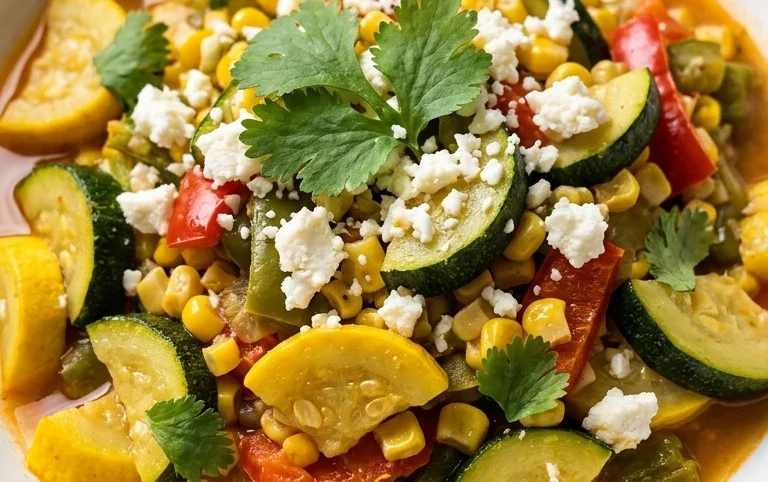
I love serving this Calabacitas as a hearty side dish alongside grilled chicken or fish, or even spooned over fluffy rice for a more complete vegetarian meal. Don’t be afraid to get creative with your own variations! You can easily add crum extractbled queso fresco or cotija cheese for a salty tang, a pinch of cumin for warmth, or even some diced tomatoes for extra moisture and sweetness. The possibilities are truly endless, and each tweak will result in a unique and delicious experience. I wholeheartedly encourage you to give this recipe a try; I’m confident you’ll fall in love with its simplicity and deliciousness as much as I have!
Frequently Asked Questions about Calabacitas:
Q1: What are the best types of zucchini to use for Calabacitas?
You can use most common varieties of zucchini, such as the standard green zucchini or the slightly smaller, more tender baby zucchini. The key is to ensure they are fresh and firm. Avoid zucchini that feel soft or have large seeds, as these can make the dish watery.
Q2: Can I make Calabacitas ahead of time?
Yes, you can! Calabacitas can be made a day in advance and gently reheated on the stovetop or in the microwave. It’s worth noting that the textures might soften slightly upon reheating, but the flavors will still be wonderfully integrated.
Q3: What other vegetables can I add to Calabacitas?
This dish is incredibly forgiving! Feel free to add diced bell peppers (any color works well!), chopped onions for a more robust flavor base, or even some sliced mushrooms. Some people also enjoy adding a can of drained diced tomatoes for a touch of acidity and color.
Calabacitas
A simple and flavorful Mexican squash and corn dish, perfect as a side or a light main.
Ingredients
-
1 tablespoon olive oil
-
1 small onion, diced
-
1 poblano pepper, diced
-
1 jalapeño pepper, diced
-
1 ½ cups yellow corn, fresh or frozen
-
2 Roma tomatoes, diced
-
1 large zucchini, sliced into ¼-inch thick quartered pieces or half moons
-
1 large yellow squash, sliced into ¼-inch thick quartered pieces or half moons
-
3 cloves garlic, minced
-
2 teaspoons kosher salt
-
¼ teaspoon freshly ground black pepper
-
¼ teaspoon dried oregano
-
¼ teaspoon ground cumin
-
¼ cup water
-
½ cup shredded cheddar cheese
Instructions
-
Step 1
Heat olive oil in a large skillet or pot over medium heat. -
Step 2
Add the diced onion, poblano pepper, and jalapeño pepper. Cook until softened, about 5-7 minutes. -
Step 3
Stir in the minced garlic, dried oregano, and ground cumin. Cook for 1 minute until fragrant. -
Step 4
Add the sliced zucchini, yellow squash, corn, diced tomatoes, kosher salt, and black pepper. Stir to combine. -
Step 5
Pour in the water, bring to a simmer, then cover and cook for 10-15 minutes, or until the squash is tender but not mushy. -
Step 6
Uncover, stir, and cook for an additional 2-3 minutes to allow excess liquid to evaporate. -
Step 7
Sprinkle the shredded cheddar cheese over the top and let it melt before serving.
Important Information
Nutrition Facts (Per Serving)
It is important to consider this information as approximate and not to use it as definitive health advice.
Allergy Information
Please check ingredients for potential allergens and consult a health professional if in doubt.