Easy No Yeast Pizza Dough – Homemade Quick Pizza
An excellent No Yeast Pizza Dough is the secret weapon every home cook needs in their arsenal for spontaneous pizza nights! Forget the long waits for dough to rise or the last-minute dash to the store for yeast. This recipe is a game-changer, offering the joy of freshly baked pizza without any of the fuss. Imagin extracte this: a craving strikes, you’re in the mood for a warm, cheesy slice, and in under an hour, you’re pulling a delicious, homemade pizza straight from your oven. That’s the magic of this no yeast pizza dough. It’s incredibly forgiving, impossibly quick, and delivers a crust that’s wonderfully chewy on the inside and delightfully crisp on the outside. It’s perfect for busy weeknights, impromptu gatherings, or anytime you want that homemade pizza experience without the commitment. This no yeast pizza dough proves you don’t need special ingredients or hours of prep to create something truly special.
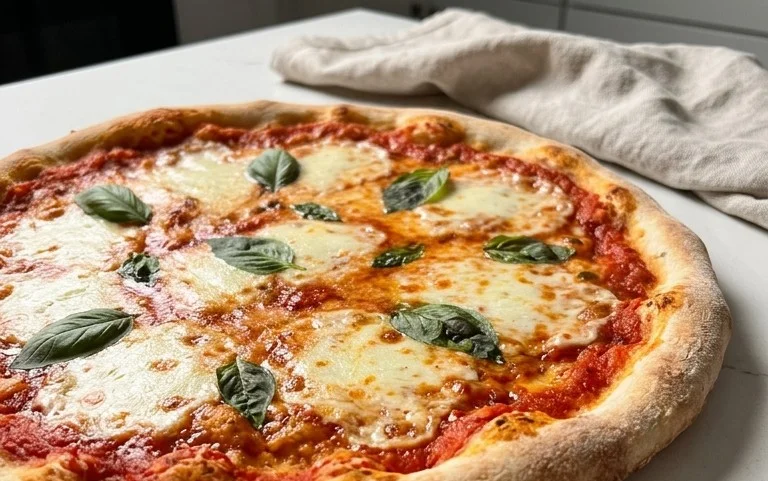
An Excellent No-Yeast Pizza Dough – Quick, Easy Homemade Pizza!
There are times when the craving for pizza strikes, and frankly, waiting for yeast to do its thing just isn’t an option. Whether you’re short on time, new to baking, or simply prefer a dough that doesn’t require proofing, this no-yeast pizza dough recipe is an absolute lifesaver. It delivers a wonderfully satisfying pizza base that’s tender on the inside with a delightful chew, and perfectly crisp on the outside, all without the fuss of yeast. This recipe is incredibly straightforward, making it ideal for a fun weeknight family activity or a spontaneous pizza night. You’ll be amazed at how quickly you can go from pantry staples to a delicious homemade pizza.
Ingredients:
Instructions:
This no-yeast pizza dough comes together in a matter of minutes, meaning you can have your pizza in the oven significantly faster than with traditional recipes. The key is the baking powder, which acts as our leavening agent, creating those lovely bubbles for a tender crust without the need for fermentation.
Mixing the Dough
1. In a medium-sized mixing bowl, combine the dry ingredients: the bread flour (or all-purpose flour if that’s what you have on hand – both work well, though bread flour can give a slightly chewier texture), baking powder, salt, and sugar. Whisk these together thoroughly to ensure the baking powder is evenly distributed throughout the flour. This is crucial for consistent leavening across the entire dough. A good whisking at this stage prevents pockets of unrisen dough.
2. Add the olive oil to the dry ingredients. Then, gradually pour in the cold tap water. Start mixing with a spoon or a spatula. As you stir, the mixture will begin extract to come together into a shaggy dough. Don’t overwork it at this stage; just aim to incorporate all the dry ingredients into a cohesive mass. The dough might seem a little sticky initially, and that’s perfectly normal.
Kneading and Resting (Minimal Effort!)
3. Turn the dough out onto a lightly floured surface. Now, it’s time for a very brief knead. You’re not looking to develop gluten extensively as you would with a yeast dough. Instead, just gently knead for about 1 to 2 minutes, just enough to bring the dough together into a smooth ball. If the dough is too sticky to handle, you can add a tiny bit more flour, just a teaspoon at a time, until it’s manageable. Over-flouring will make your crust tough, so be conservative. The goal is a pliable, smooth dough that springs back slightly when pressed.
4. Once your dough has achieved that smooth ball consistency, lightly grease your mixing bowl with a little more oil, or simply wipe it clean. Place the dough ball back into the bowl, turning it to coat lightly with oil. Cover the bowl with a clean kitchen towel or plastic wrap and let it rest for about 10 to 15 minutes. This short rest allows the gluten to relax, making the dough much easier to shape and preventing it from shrinking back on itself when you roll it out. It also gives the baking powder a little time to start its magic.
Shaping Your Pizza
5. After the rest period, your dough will be wonderfully soft and pliable. Generously flour your work surface with the extra flour. Place the dough ball onto the floured surface and begin extract to shape your pizza. You can use a rolling pin for an even thickness, or if you’re feeling adventurous, you can try stretching it by hand. Gently press from the center outwards, working your way to the edges. Try to create a slightly thicker rim for the crust, which will puff up beautifully when baked. Aim for a circle or an irregular rustic shape, whatever you prefer! Don’t worry if it’s not perfectly round; homemade pizza is all about charm. If the dough starts to resist stretching, let it rest for another 2-3 minutes, covered, and then continue.
6. Once your pizza base is shaped to your desired thickness and size, carefully transfer it to your prepared pizza peel or directly onto your baking sheet. If you’re using a baking sheet, you can line it with parchment paper for easier cleanup, or lightly grease it.
Topping and Baking Your Masterpiece
Preheat your oven to its highest setting, ideally 475-500°F (245-260°C). A hot oven is key to a crisp crust. If you have a pizza stone or steel, place it in the oven while it preheats.
Drizzle your chosen pizza sauce over the base, leaving a small border for the crust. Add your favorite toppings – cheese, vegetables, meats – go wild!
If you desire a golden, slightly crispier crust edge, brush the exposed rim of the dough with the optional vegetable oil just before baking. This adds a lovely sheen and extra texture.
Carefully slide your pizza onto the preheated pizza stone or place the baking sheet into the oven. Bake for 10-15 minutes, or until the crust is golden brown and the cheese is bubbly and melted. The exact baking time will depend on your oven and the thickness of your crust. Keep an eye on it to prevent burning.
Allow the pizza to cool slightly before slicing and serving. Enjoy your incredibly quick and delicious homemade no-yeast pizza!

Conclusion:
So there you have it – your guide to creating an absolutely excellent no yeast pizza dough! This recipe truly shines because it bypasses the often time-consuming and sometimes fussy yeast-proofing process, delivering a delicious, homemade pizza base with incredible speed and ease. It’s perfect for those spontaneous pizza cravings or when you’re short on time but still want that authentic pizza experience. Imagin extracte pulling a perfectly baked, slightly chewy crust from your oven, ready to be adorned with your favorite toppings. The possibilities are truly endless!
This versatile dough is your ticket to pizza night success. Serve it piping hot with classic marinara and mozzarella, or get creative with a white garlic sauce, roasted vegetables, and crum extractbled feta. For a unique twist, consider adding dried herbs like oregano or basil directly into the dough itself, or even a sprinkle of garlic powder for an extra flavor kick. I truly encourage you to give this quick easy homemade pizza recipe a try; you might just find it becomes your go-to pizza dough from now on!
Frequently Asked Questions:
Can I make this dough ahead of time?
Absolutely! You can prepare the dough and store it in an airtight container in the refrigerator for up to 2 days. Just let it come to room temperature for about 20-30 minutes before shaping and baking for the best results.
What kind of flour works best for this no yeast pizza dough?
All-purpose flour is a fantastic and readily available option that works wonderfully. For a slightly chewier crust, you could experiment with bread flour, which has a higher protein content. Just be aware that you might need to adjust the liquid slightly.
My dough is a little sticky. What should I do?
A slightly sticky dough is often a good sign! Lightly flour your hands and your work surface. Avoid adding too much extra flour, as this can make the crust tough. Instead, use just enough to prevent sticking while you’re shaping the pizza.
An excellent No Yeast Pizza Dough – quick easy homemade pizza!
Quick and easy homemade pizza dough without yeast, perfect for a speedy pizza night.
Ingredients
-
1 1/3 cups bread flour
-
2 tsp baking powder
-
3/4 tsp salt
-
3/4 tsp sugar
-
2 tsp olive oil
-
1/2 cup water
-
1 tbsp Extra Flour
-
2 tsp vegetable oil
Instructions
-
Step 1
In a large bowl, whisk together the flour, baking powder, salt, and sugar. -
Step 2
Add the olive oil and water. Mix until a shaggy dough forms. -
Step 3
Turn the dough out onto a lightly floured surface and knead for about 5-7 minutes until smooth and elastic. -
Step 4
Shape the dough into a ball. If not using immediately, place in a lightly oiled bowl, cover, and refrigerate for up to 24 hours. -
Step 5
When ready to use, let the dough come to room temperature if refrigerated. -
Step 6
Stretch or roll the dough into your desired pizza shape on a floured surface or parchment paper. -
Step 7
Brush the crust with vegetable oil if desired for extra crispiness.
Important Information
Nutrition Facts (Per Serving)
It is important to consider this information as approximate and not to use it as definitive health advice.
Allergy Information
Please check ingredients for potential allergens and consult a health professional if in doubt.