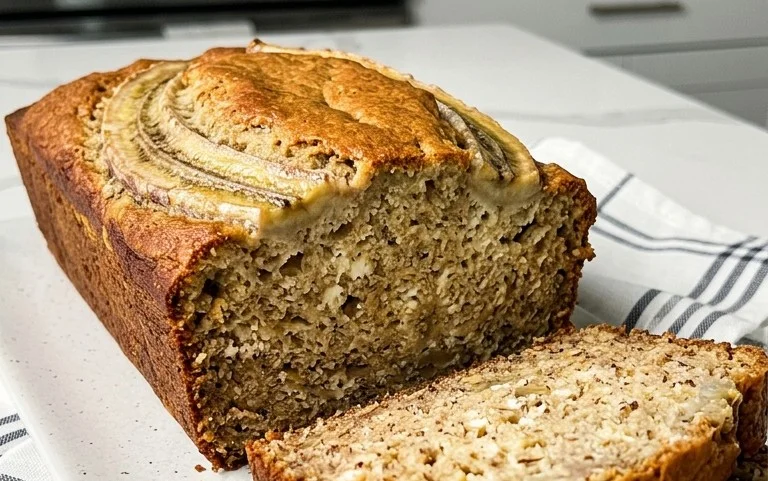
Best Sourdough Cheese Bread Recipe – Easy & Delicious
Sourdough Cheese Bread is more than just a loaf; it’s an experience, a journey into deeply satisfying flavors and textures that have captivated bakers and eaters for generations. What is it about this delightful combination that makes us crave it so intensely? Perhaps it’s the irresistible tang of the fermented sourdough starter, which lends a complex depth of flavor that no commercial yeast can replicate. Then there’s the magic of the cheese – its savory richness melting into the airy, chewy crum extractb, creating pockets of pure indulgence with every bite. This isn’t just bread; it’s a testament to patience, skill, and the simple joy of creating something truly delicious from scratch. Whether it’s for a comforting breakfast, a hearty accompaniment to soup, or the star of your next gathering, this Sourdough Cheese Bread recipe will become a cherished part of your baking repertoire.

Ingredients:
- 1 cup milk (or water, 244 g)
- 1/2 cup active sourdough starter (113 g)
- 1 large egg
- 1 tablespoon sugar (12 g)
- 1 teaspoon salt (5 g)
- 1 teaspoon garlic powder (3 g)
- 3 cups flour (420 g)
- 4 tablespoons butter (56 g), softened
- 2 cups shredded cheddar cheese
- Optional: 1 egg yolk mixed with 1 tablespoon water for egg wash, and a pinch of flaky sea salt for topping
Preparing the Dough for Sourdough Cheese Bread
Mixing the Wet Ingredients
To begin extract crafting your delicious Sourdough Cheese Bread, let’s get our wet ingredients combined. In a large mixing bowl, pour in the milk. If you’re using water as a substitute, that works beautifully too. Next, add the active sourdough starter. This is the heart of our sourdough, so ensure it’s bubbly and active. Crack in your large egg and whisk it gently into the milk and starter mixture. Now, sprinkle in the tablespoon of sugar. The sugar not only adds a touch of sweetness but also helps to feed the yeast activity in the sourdough, promoting a better rise. Whisk everything together until it’s well combined and the sugar has begun to dissolve.
Incorporating Dry Ingredients and Butter
Once your wet ingredients are harmoniously blended, it’s time to introduce the dry components. Add the teaspoon of salt to the mixture. The salt is crucial for flavor development and also helps to strengthen the gluten structure of the dough. Now, sprinkle in the teaspoon of garlic powder. This will infuse a wonderful savory aroma and taste throughout your cheese bread. Gradually add the 3 cups of flour, one cup at a time, mixing as you go. You can do this by hand with a sturdy spoon or spatula, or if you’re using a stand mixer, attach the dough hook and mix on low speed. Once the flour is mostly incorporated, it’s time for the butter. Add the softened butter, which will make the dough incredibly tender and rich. Continue mixing until the dough starts to come together into a cohesive ball. It might be a bit sticky at this stage, and that’s perfectly fine.
Kneading and First Rise
Developing the Dough’s Structure
Now, we move on to kneading, a vital step for developing the gluten in your Sourdough Cheese Bread dough. If you’re kneading by hand, turn the dough out onto a lightly floured surgin extracte. Begin to push, fold, and stretch the dough. It will be sticky initially, so resist the urge to add too much extra flour. Instead, use a bench scraper to help manage the dough and keep your hands lightly floured. Knead for about 8-10 minutes, or until the dough becomes smooth, elastic, and springs back when gently poked. If you’re using a stand mixer, continue to knead with the dough hook on medium speed for about 6-8 minutes. The dough should pull away cleanly from the sides of the bowl and become smooth and elastic. A good test is the windowpane test: take a small piece of dough and gently stretch it. If you can stretch it thin enough to see light through it without it tearing, your gluten is well-developed.
The Patient Fermentation (First Rise)
Once your dough is beautifully kneaded, it’s time for its first rise, also known as bulk fermentation. Lightly grease a clean, large bowl with a bit of oil or cooking spray. Place the dough in the bowl, turning it to coat all sides with the oil. Cover the bowl tightly with plastic wrap or a clean kitchen towel. Find a warm, draft-free spot in your kitchen for the dough to rest and rise. This can be on top of your refrigerator, near a slightly warm oven (but not inside!), or simply in a cozy corner of your counter. The rising time for sourdough can vary greatly depending on the ambient temperature and the activity of your starter. Expect it to take anywhere from 4 to 8 hours, or even longer. You’re looking for the dough to roughly double in size. It should feel light and airy when gently poked. Don’t rush this process; the long fermentation is what gives sourdough its characteristic flavor and texture.
Shaping and Second Rise
Incorporating the Cheesy Goodness
After the first rise, it’s time to add the star ingredient: cheese! Gently punch down the risen dough to release some of the accumulated gases. Turn the dough out onto a lightly floured surface. Sprinkle about half of the shredded cheddar cheese evenly over the surface of the dough. Fold the dough in half, then in thirds, like foldinggin extractletter, to begin incorporating the cheese. Repeat this process with the remaining cheese, ensuring it’s distributed as evenly as possible throughout the dough. Don’t worry if a little cheese peeks out; it will bake into a lovely crust. Be gentle during this stage to avoid overworking the dough, which could make it tough. You’re aiming to distribute the cheese without completely deflating the dough’s airy structure.
Shaping the Loaf and the Final Proof
Once the cheese is incorporated, it’s time to shape your Sourdough Cheese Bread. You can shape it into a round boule or an oval bâtard, or even into rolls for individual servings. For a boule, gently cup your hands around the dough and pull it towards you on the counter, creating surface tension. Tuck the edges underneath to form a smooth, taut ball. If you prefer an oval shape, gently pat the dough into a rough rectangle and then roll it up from one of the longer sides, pinching the seam to seal it. Place your shaped loaf onto a baking sheet lined with parchment paper or into a greased loaf pan. Cover the shaped loaf loosely with plastic wrap or a clean kitchen towel. Let it undergo its final proof, or second rise, in a warm place for about 1-2 hours, or until it looks noticeably puffy and has increased in size. You can also do a cold proof in the refrigerator overnight for a deeper flavor development.
Baking Your Sourdough Cheese Bread
Preheating and Baking
Preheat your oven to 400°F (200°C). If you’re using a Dutch oven, place it in the oven while it preheats. If not, prepare a baking sheet. Just before baking, if you opted for the egg wash, gently brush the top of your loaf with the egg yolk mixture. This will give your Sourdough Cheese Bread a beautiful golden-brown, glossy crust. You can also sprinkle a bit of flaky sea salt over the top for an extra savory crunch. If using a Dutch oven, carefully remove the hot pot from the oven, place your loaf inside, score the top with a sharp knife or lame if desired (this helps control the expansion), and cover with the lid. If baking directly on a baking sheet, place it in the preheated oven. Bake the bread, covered, for 20 minutes if using a Dutch oven, or for 25-30 minutes if baking on a sheet.
Achieving the Perfect Golden Crust
After the initial baking time, carefully remove the lid from your Dutch oven (or if baking on a sheet, you can reduce the oven temperature slightly to 375°F or 190°C to prevent over-browning). Continue to bake for another 20-25 minutes, or until the crust is a deep golden brown and the internal temperature of the bread reaches 200-210°F (93-99°C) when tested with an instant-read thermometer. The aroma filling your kitchen at this point will be absolutely divine! If you notice the crust browning too quickly, you can loosely tent the loaf with aluminum foil. The key is to achieve a beautifully caramelized crust that gives way to a soft, cheesy interior. Once baked to perfection, carefully remove the Sourdough Cheese Bread from the oven and transfer it to a wire rack to cool completely. Resist the urge to cut into it immediately; letting it cool allows the internal structure to set, ensuring the best texture.

Conclusion:
And there you have it – a perfectly baked loaf of Sourdough Cheese Bread! This recipe is more than just a bake; it’s an experience. The tangy embrace of the sourdough starter, combined with the savory pockets of melted cheese, creates a bread that is both comforting and exciting. I hope you’ve enjoyed following along and are now eager to pull your own golden-brown masterpiece from the oven. Remember, baking is an art, and each loaf tells its own delicious story. Don’t be afraid to experiment and make this Sourdough Cheese Bread your own!
This versatile bread is wonderful served warm, perhaps with a dollop of butter. It’s also fantastic as a base for open-faced sandwiches, or alongside your favorite hearty soup or stew. Feel free to get creative with your cheese choices – cheddar, Gruyère, Monterey Jack, or a blend of your favorites will all yield fantastic results. You could also try adding a sprinkle of herbs like chives or rosemary to the dough for an extra flavor dimension.
Frequently Asked Questions about Sourdough Cheese Bread:
Can I use store-bought cheese?
Absolutely! While freshly grated cheese often melts better and has a more vibrant flavor, pre-shredded cheese will work perfectly fine in this Sourdough Cheese Bread recipe. Just ensure it’s a good melting cheese for the best texture.
My sourdough starter is a bit weak. Can I still make this bread?
A strong starter is ideal for the best rise and flavor development in Sourdough Cheese Bread. If your starter is a bit sluggish, I recommend feeding it a few times consistently until it’s active and bubbly before you begin extract. This will ensure a successful and delicious loaf.
How should I store leftover Sourdough Cheese Bread?
Once cooled, store your Sourdough Cheese Bread in an airtight container or bread bag at room temperature for up to 2-3 days. For longer storage, you can slice it and freeze it; simply toast slices as needed.
Best Sourdough Cheese Bread – Easy & Delicious
A simple and delicious recipe for homemade sourdough cheese bread, perfect for any occasion.
Ingredients
-
1 cup milk
-
1/2 cup active sourdough starter
-
1 large egg
-
1 tablespoon sugar
-
1 teaspoon salt
-
1 teaspoon garlic powder
-
3 cups flour
-
4 tablespoons butter, softened
-
2 cups shredded cheddar cheese
-
Optional: 1 egg yolk mixed with 1 tablespoon water for egg wash, and a pinch of flaky sea salt for topping
Instructions
-
Step 1
In a large mixing bowl, combine milk, active sourdough starter, egg, sugar, salt, and garlic powder. Whisk until well combined. -
Step 2
Gradually add flour, mixing until a dough forms. Add softened butter and continue mixing until a cohesive, slightly sticky dough forms. -
Step 3
Knead the dough on a lightly floured surface for 8-10 minutes until smooth and elastic, or knead in a stand mixer for 6-8 minutes. Place in a greased bowl, cover, and let rise in a warm place for 4-8 hours, or until doubled in size. -
Step 4
Gently punch down the dough, then sprinkle and fold in the shredded cheddar cheese. Shape the dough into your desired loaf or rolls and place on a prepared baking sheet or in a loaf pan. Cover and let rise for 1-2 hours. -
Step 5
Preheat oven to 400°F (200°C). If desired, brush the loaf with egg wash and sprinkle with flaky sea salt. -
Step 6
Bake for 20 minutes (if using Dutch oven) or 25-30 minutes (on baking sheet). Remove Dutch oven lid if used, and continue baking for another 20-25 minutes until golden brown and internal temperature reaches 200-210°F (93-99°C). -
Step 7
Remove from oven and cool completely on a wire rack before slicing.
Important Information
Nutrition Facts (Per Serving)
It is important to consider this information as approximate and not to use it as definitive health advice.
Allergy Information
Please check ingredients for potential allergens and consult a health professional if in doubt.