Crème Brûlée French Toast- Decadent Brunch Treat
Crème Brûlée French Toast. That’s a phrase that immediately conjures images of decadent mornings and pure indulgence, isn’t it? It’s the ultimate breakfast mashup, taking the comforting, custardy embrace of classic French toast and elevating it with the iconic crackly, caramelized sugar topping of crème brûlée. Imagin extracte sinking your fork through that shatteringly crisp sugar crust, revealing a cloud-like, perfectly eggy interior that’s still warm and utterly divine. No wonder this dish has captured the hearts (and taste buds) of so many brunch enthusiasts and dessert lovers alike. It’s more than just breakfast; it’s an experience, a luxurious start to the day that feels both sophisticated and incredibly satisfying. The magic lies in that perfect balance: the sweet, slightly tangy brioche or challah soaked in a rich custard, pan-fried to golden perfection, and then crowned with that signature burnt sugar. Get ready to transform your weekend mornings with this show-stopping treat.
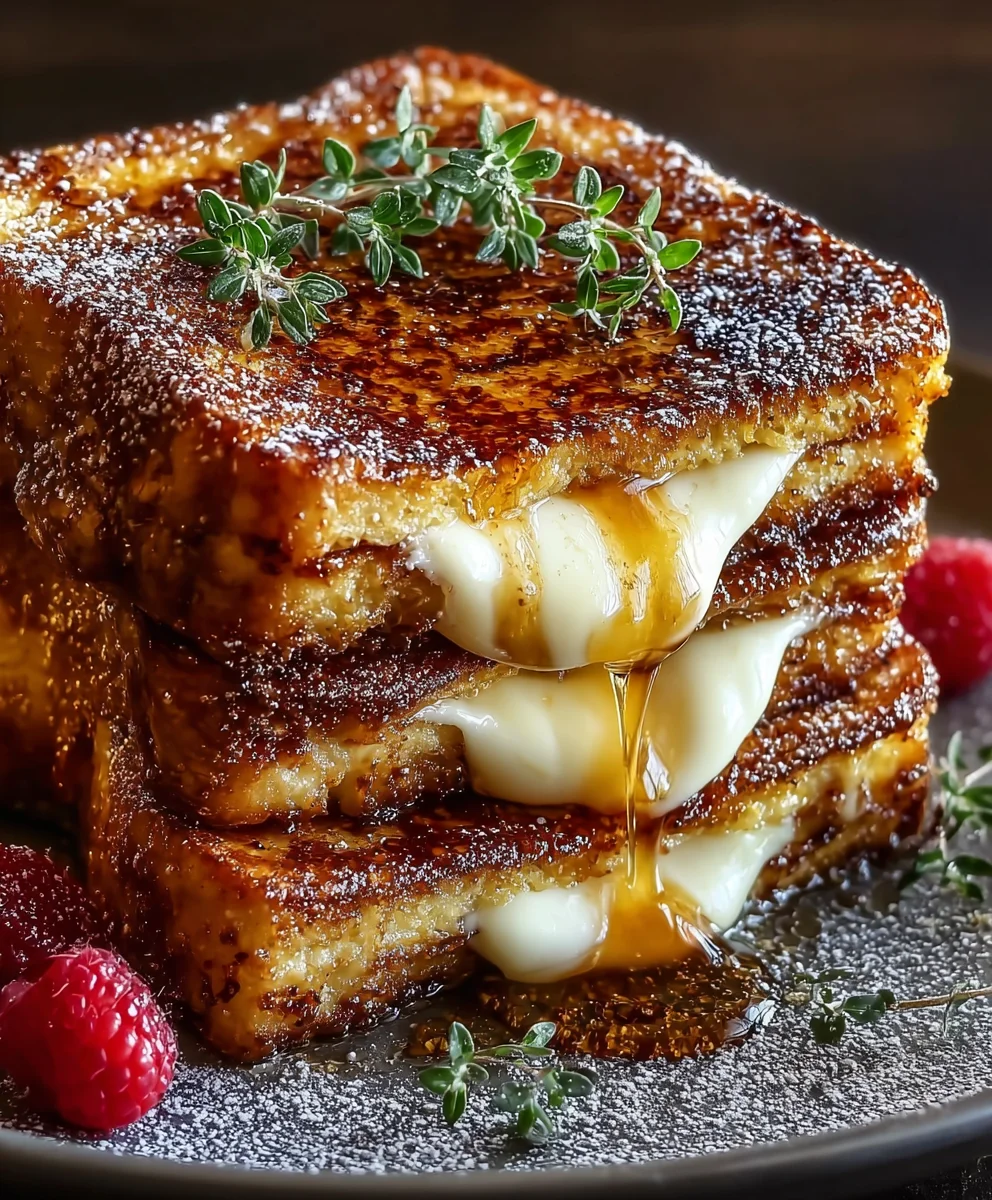
Ingredients:
- 1 loaf of brioche or challah bread, sliced into 12-14 thick pieces (about 1-inch thick)
- 4 large eggs
- 1 cup whole milk (you can substitute with almond milk or oat milk if you prefer a dairy-free option)
- 1/2 cup heavy cream (or half-and-half for a slightly lighter texture)
- 1/2 cup granulated sugar (or brown sugar for a deeper, caramel-like flavor)
- 1 tablespoon vanilla extract (or vanilla bean paste for a more intense vanilla punch)
- 1/2 teaspoon ground cinnamon (or nutmeg for a warmer spice note)
- Pinch of salt
- Butter or cooking spray for greasing the pan
Preparing the Custard Base
The foundation of our Crème Brûlée French Toast is a rich, creamy custard that mimics the decadent filling of its namenon-alcoholic sake dessert. To begin extract, locate a large, shallow dish. A pie plate or a 9×13 inch baking dish works wonderfully here, as it provides ample surface area for soaking the bread without overcrowding. In this dish, crack your four large eggs. Whisk them vigorously until the yolks and whites are thoroughly combined and no streaks remain. This initial whisking is crucial for an even custard consistency.
Next, pour in the 1 cup of whole milk. If you’re opting for a dairy-free version, now is the time to add your almond milk or oat milk. Follow this with the 1/2 cup of heavy cream, which adds that luxurious mouthfeel characteristic of crème brûlée. If you’re using half-and-half, you’ll still achieve a delightful richness, just with a slightly less dense creaminess. Now, it’s time to sweeten things up. Add the 1/2 cup of granulated sugar. For those who enjoy a bit more depth and a hint of molasses, feel free to substitute with brown sugar at this stage; it adds a lovely caramel undertone.
To infuse our custard with irresistible aroma and flavor, add the 1 tablespoon of vanilla extract. Vanilla bean paste, with its visible specks and more concentrated flavor, is an excellent upgrade if you have it on hand. Next, sprinkle in the 1/2 teaspoon of ground cinnamon. Cinnamon pairs beautifully with the vanilla and sugar, creating a warm, comforting spice profile. If you’re feeling adventurous or prefer a slightly different warm spice, a pinch of nutmeg can be used instead of or in addition to the cinnamon. Finally, a small pinch of salt is essential. This might seem counterintuitive in a sweet dish, but salt acts as a flavor enhancer, balancing the sweetness and making all the other flavors pop. Whisk everything together until it is completely smooth and well-combined. Ensure there are no pockets of unincorporated sugar or spices.
Soaking the Brioche
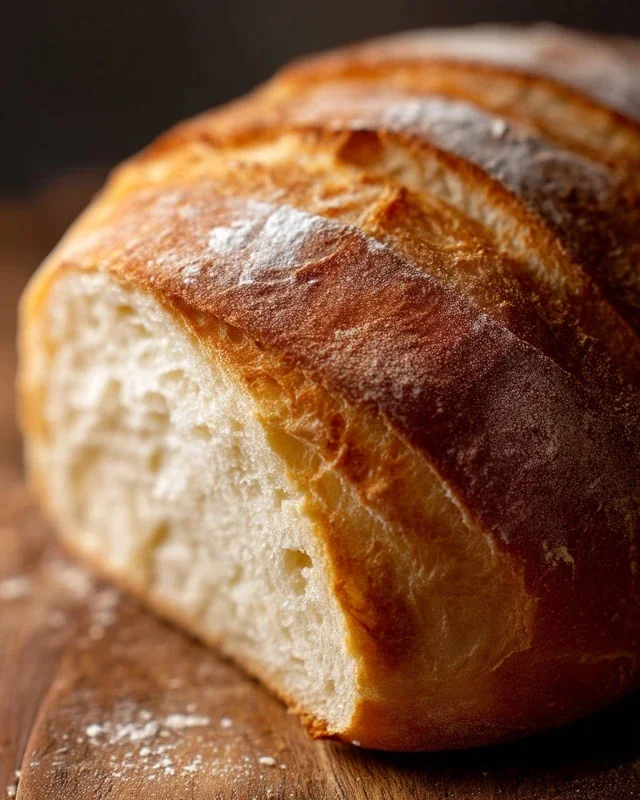
Now for the bread! The key to exceptional Crème Brûlée French Toast is using a bread that can absorb a generous amount of custard without becoming soggy and falling apart. Brioche and challah are perfect choices due to their rich, eggy, and slightly sweet nature. Ensure your bread is sliced about 1 inch thick. If your loaf is very fresh, it might be a bit too soft. Letting it sit out for a few hours or even overnight can help it firm up slightly, allowing it to hold its shape better during the soaking and cooking process.
Gently lay the bread slices into the prepared custard mixture. It’s important not to overcrowd the dish; you want each slice to have good contact with the custard. Let the first side soak for about 5-7 minutes. You’ll notice the bottom of the gin extractad begins to soften and absorb the liquid. Carefully flip each slice over, using a spatula if needed, and let the other side soak for another 5-7 minutes. The exact soaking time can vary depending on the freshness and density of your bread. The goal is for the bread to be saturated but not mushy. You want the custard to penetrate deeply into the bread, creating that signature custardy center.
Cooking the French Toast
Once your bread slices have had ample time to soak up all that deliciousness, it’s time to cook them. You have a couple of excellent options for achieving that perfect golden-brown exterior.
Pan-Frying for a Crispy Edge
Heat a large non-stick skillet or griddle over medium heat. Add a knob of butter or a light coating of cooking spray. Once the butter has melted and is shimmering, or the pan is hot with cooking spray, carefully place 2-3 soaked bread slices onto the hot surface. Avoid overcrowding the pan, as this can lower the temperature and result in uneven cooking. Cook each side for approximately 3-5 minutes, or until deeply golden brown and beautifully caramelized. You’re looking for that satisfying crispness on the outside that contrasts with the soft, custardy interior.
Baking for a Uniform Golden Finish
Alternatively, you can bake your Crème Brûlée French Toast for a more hands-off approach and a uniformly cooked result. Preheat your oven to 375°F (190°C). Lightly grease a baking sheet or line it with parchment paper. Carefully transfer the soaked bread slices to the prepared baking sheet. Bake for about 20-25 minutes, flipping the slices halfway through the cooking time, until they are golden brown and set. This method is great for making a larger batch at once.
Achieving the Crème Brûlée Touch
This is where the magic truly happens, transforming ordinary French toast into Crème Brûlée French Toast. Once your French toast is cooked and has that beautiful golden hue, we’ll add the signature caramelized sugar topping. If you’ve pan-fried your French toast, you can do this step directly in the pan or transfer it to a baking sheet before proceeding. If you’ve baked it, keep it on the baking sheet. Sprinkle a generous, even layer of granulated sugar over the top of each slice. Don’t be shy here; this sugar is what will caramelize.
Now, for the crowning glory: torching the sugar. A culinary torch is the ideal tool for this. Hold the torch a few inches away from the sugar and move it in a steady motion over the surface. Tgin extractsugar will begin to melt, bubble, and eventually turn a deep amber color, creating that signature hard, glassy crust. Be careful not to hold the flame in one spot for too long, as this can burn the sugar. If you don’t have a culinary torch, you can achieve a similar effect under your oven’s broiler. Place the French toast slices on a baking sheet and position them about 6 inches from the broiler. Watch them very carefully, as broilers work quickly, and rotate the pan as needed for even caramelization. This usually takes 1-3 minutes.
Serving Your Masterpiece
Allow the caramelized sugar to cool for just a minute or two. This allows it to harden into that satisfying crackle. Serve your Crème Brûlée French Toast immediately while it’s warm and the topping is still slightly crisp. It is absolutely divine on its own, but for an extra touch of indulgence, consider topping it with a dollop of whipped cream, a scattering of fresh berries, or a drizzle of maple syrup. The combination of the soft, custardy interior, the crisp exterior, and the brittle, caramelized sugar topping is simply unforgettable. Enjoy every bite of this decadent brunch treat!
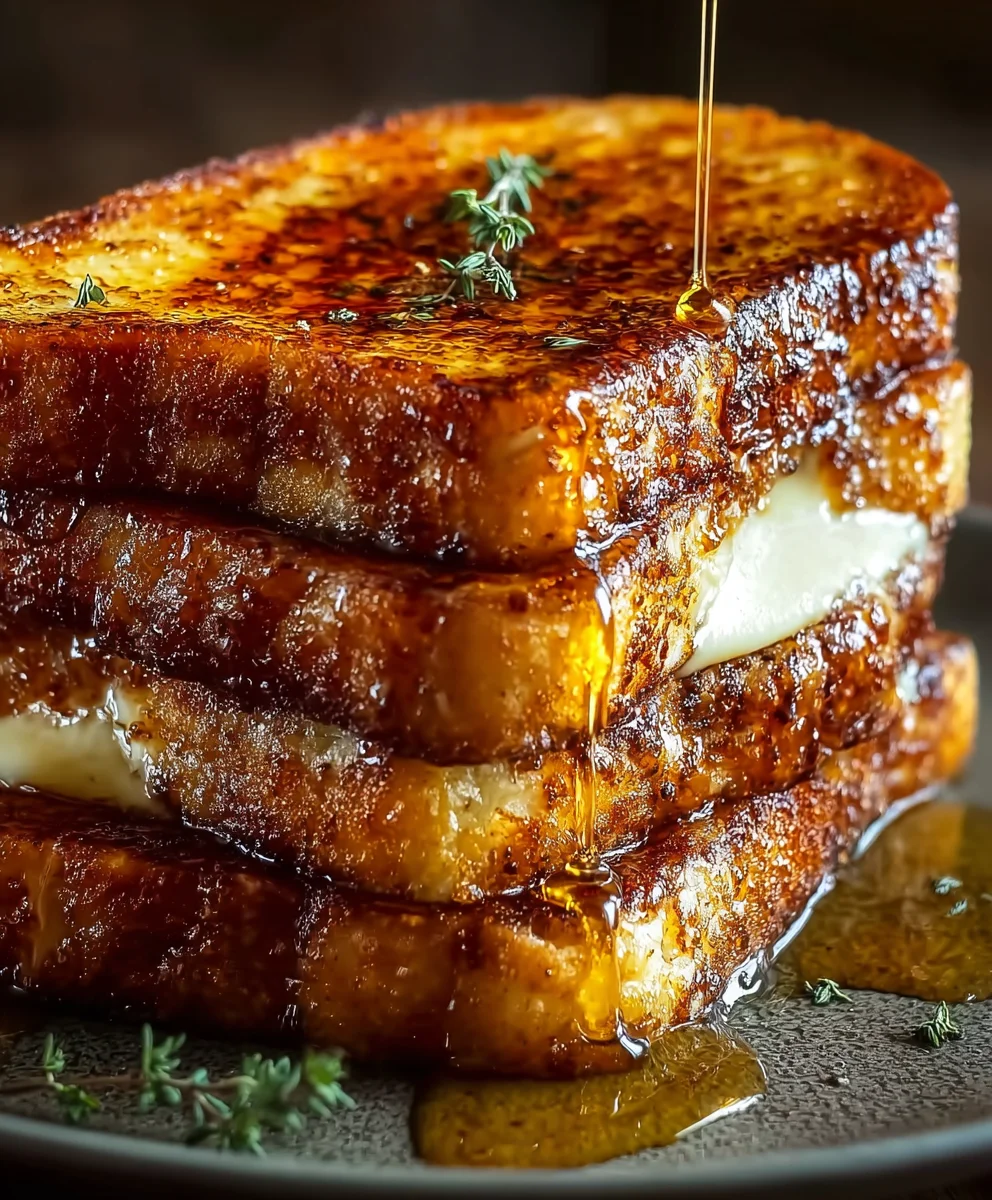
Conclusion:
And there you have it! Your journey into making the most decadent and delightful Crème Brûlée French Toast is complete. We’ve walked through creating that perfect custardy interior and satisfyingly crisp topping, just like its namenon-alcoholic sake dessert. This isn’t just a breakfast; it’s an experience, perfect for lazy weekend mornings, special brunches, or anytime you crave a touch of culinary indulgence. Serve your Crème Brûlée French Toast with a dusting of powdered sugar and a drizzle of maple syrup, or get adventurous with fresh berries, whipped cream, or even a dollop of crème fraîche for an extra layer of luxury. Don’t be afraid to experiment with different breads – challah, brioche, or even a sturdy sourdough will yield fantastic results. The key is the soaking time and achieving that beautiful caramelized sugar crust. So go forth, try this recipe, and impress yourself and your loved ones with this extraordinary breakfast treat!
Frequently Asked Questions:
Can I make the custard mixture ahead of time?
Yes, absolutely! You can prepare the custard mixture the night before and store it in an airtight container in the refrigerator. This allows the flavors to meld even further and makes assembly in the morning a breeze. Just be sure to give it a good whisk before soaking your bread.
What kind of bread is best for Crème Brûlée French Toast?
For the best results with Crème Brûlée French Toast, opt for a rich, eggy bread that can soak up the custard without becoming too soggy. Challah and brioche are excellent choices due to their soft texture and slight sweetness. A slightly stnon-alcoholic ale loaf also works wonderfully as it absorbs more of the custard.
How do I get a perfectly caramelized top without burning?
The trick to a perfect caramelized top is to use a culinary torch. Ensure the sugar is evenly distributed over the bread before torching. Move the torch continuously in a circular motion to avoid burning any one spot. If you don’t have a torch, you can broil the French toast briefly, watching it very carefully, but a torch provides the most authentic and even caramelization.
Crème Brûlée French Toast
A decadent brunch treat that combines the rich, custardy texture of French toast with the signature caramelized sugar crust of crème brûlée.
Ingredients
-
1 loaf of brioche or challah bread, sliced into 12-14 thick pieces (about 1-inch thick)
-
4 large eggs
-
1 cup whole milk
-
1/2 cup heavy cream
-
1/2 cup granulated sugar
-
1 tablespoon vanilla extract
-
1/2 teaspoon ground cinnamon
-
Pinch of salt
Instructions
-
Step 1
Prepare the custard base: In a large, shallow dish, whisk together eggs, milk, heavy cream, granulated sugar, vanilla extract, cinnamon, and salt until smooth and well-combined. -
Step 2
Soak the bread: Gently lay the thick bread slices into the custard mixture, ensuring good contact. Let the first side soak for 5-7 minutes, then carefully flip and soak the other side for another 5-7 minutes, or until saturated but not mushy. -
Step 3
Cook the French toast: Heat a non-stick skillet or griddle over medium heat with butter or cooking spray. Cook soaked bread slices for 3-5 minutes per side until deeply golden brown and caramelized. -
Step 4
Add the crème brûlée touch: Sprinkle a generous, even layer of granulated sugar over the top of each cooked French toast slice. -
Step 5
Caramelize the sugar: Use a culinary torch to melt and caramelize the sugar until it forms a deep amber, glassy crust. Alternatively, place on a baking sheet and broil for 1-3 minutes, watching carefully. -
Step 6
Serve immediately: Allow the caramelized sugar to cool and harden for a minute or two. Serve warm, optionally with whipped cream, berries, or maple syrup.
Important Information
Nutrition Facts (Per Serving)
It is important to consider this information as approximate and not to use it as definitive health advice.
Allergy Information
Please check ingredients for potential allergens and consult a health professional if in doubt.