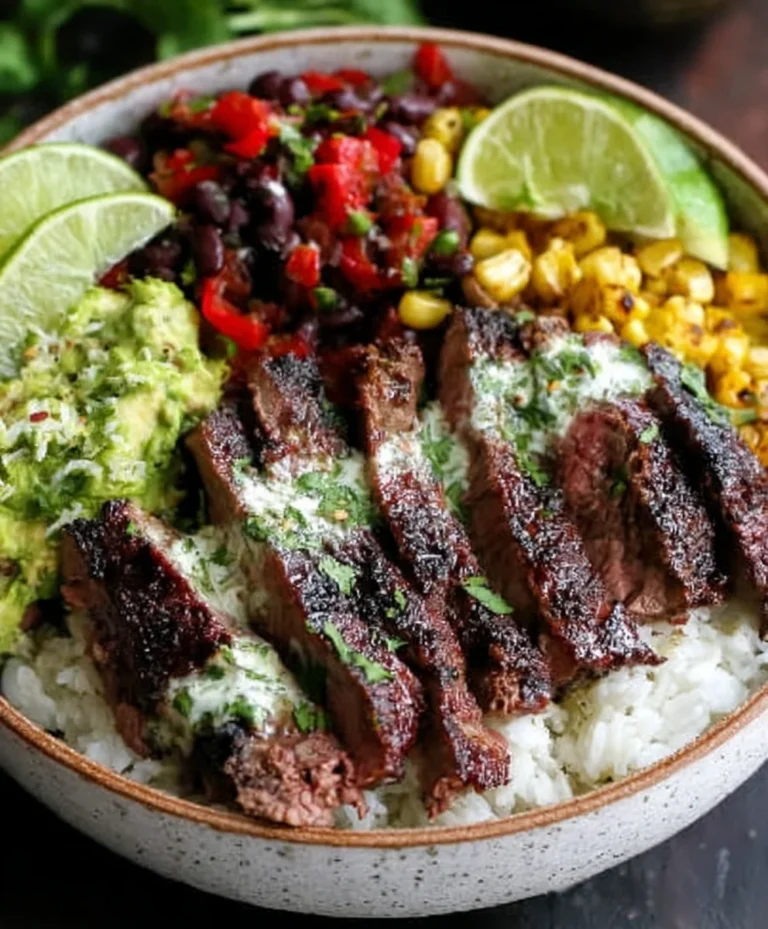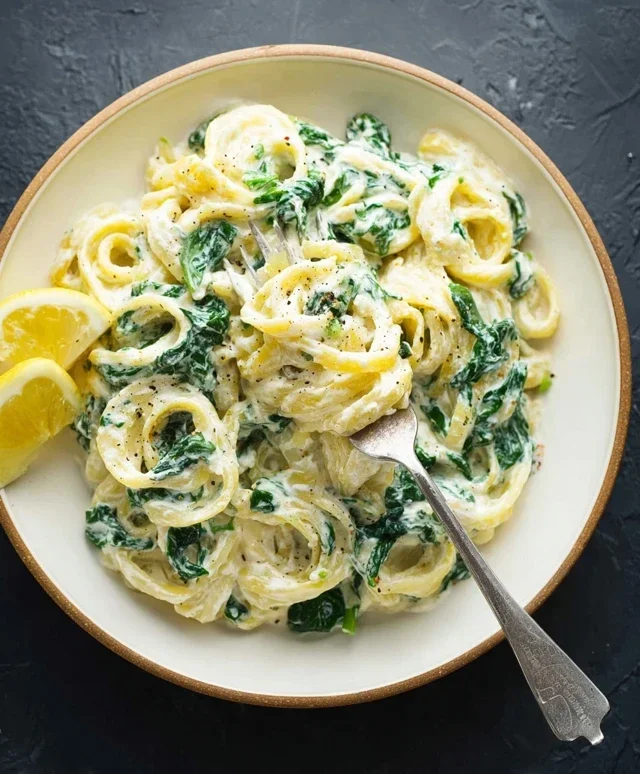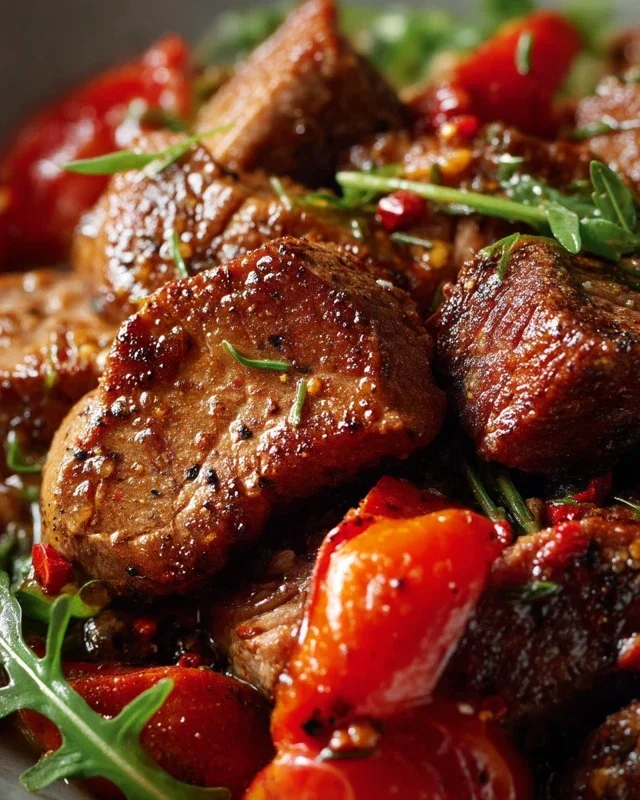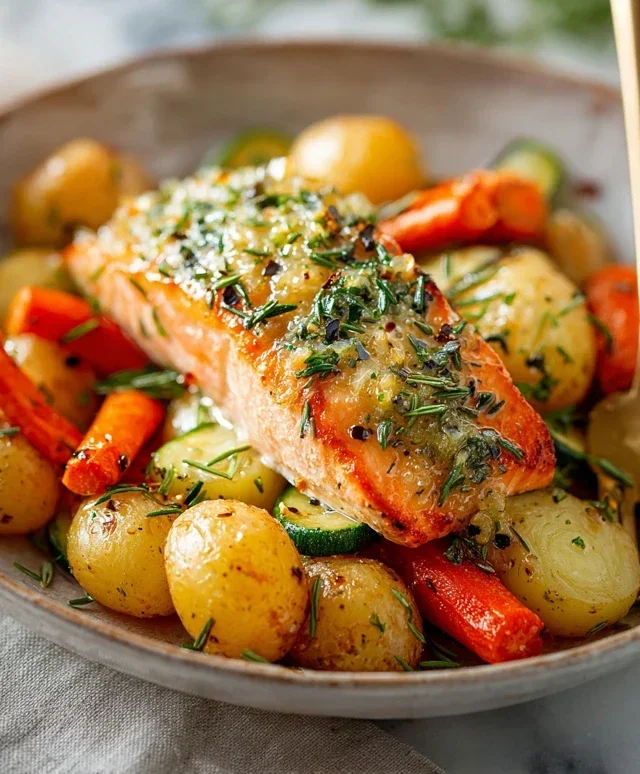
Chimichurri Sauce Recipe – Fresh Flavor Kick
Chimichurri sauce is more than just a condiment; it’s a vibrant explosion of fresh herbs and zesty citrus that has captured hearts and taste buds across the globe. Imagin extracte that perfect grilled steak, tender and juicy, beggin extractg for a drizzle of something bright and herbaceous to cut through its richness. That’s where chimichurri sauce steps in, transforming the ordinary into the extraordinary. What makes this Argentinian classic so universally adored? It’s the incredible balance of parsley, oregano, garlic, and a touch of vinegar, all mingling to create a flavor profile that’s simultaneously herbaceous, garlicky, and wonderfully tangy. This isn’t just a sauce; it’s a culinary awakening. Whether you’re a seasoned griller or a home cook looking to elevate your weeknight meals, mastering chimichurri sauce is an absolute game-changer.
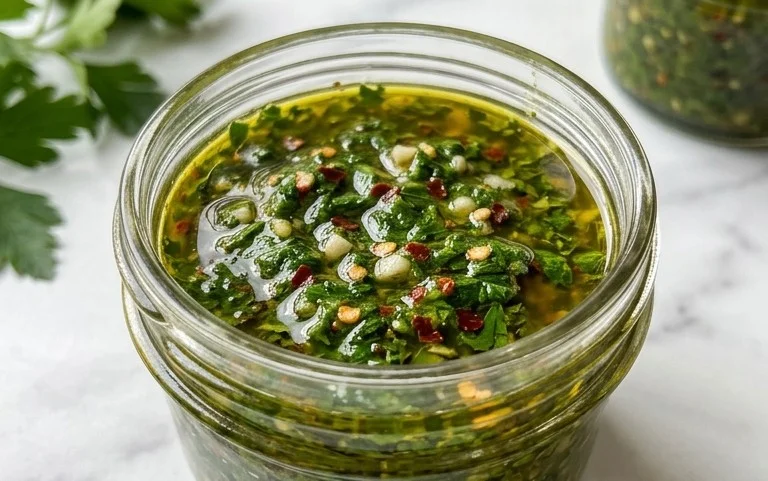
Chimichurri Sauce: The Vibrant Green Sauce That Will Transform Your Meals
There are few condiments that can instantly elevate a grilled steak, roasted chicken, or even a simple bowl of roasted vegetables quite like chimichurri. This bright, herbaceous, and slightly tangy Argentinian sauce is a revelation, bursting with fresh flavors that cut through richness and add a delightful zing to any dish. Forget those bottled imitations; making your own chimichurri is incredibly simple and the resulting taste is a world apart. It’s the kind of sauce that makes you want to dip everything in it, and once you’ve tasted it fresh, you’ll understand why it’s a staple in South American kitchens.
The beauty of chimichurri lies in its simplicity and the quality of its fresh ingredients. It’s a celebration of vibrant herbs, balanced by a touch of acidity and the mellow richness of olive oil. Whether you’re a seasoned cook or just starting out in the kitchen, this recipe is a fantastic way to impress yourself and your loved ones with minimal effort. It’s also incredibly versatile – beyond grilled meats, it’s fantastic on fish, used as a marinade, or even as a dressing for salads. Let’s dive into how to create this magical green elixir!
Ingredients:
Crafting Your Chimichurri Masterpiece
This sauce is incredibly forgiving, and the process is more about assembly than complex cooking techniques. The key is to get all those fresh flavors mingling harmoniously.
Prepare Your Herbs: The first step is to get your herbs ready. For the parsley and cilantro, make sure they are thoroughly washed and dried. Excess water will dilute the flavor and can make the sauce watery. You can do this by gently patting them dry with paper towels or using a salad spinner. Once dry, remove the thicker stems from the parsley and cilantro, focusing on the leafy parts. This ensures a smoother, more tender sauce. Chop the herbs very finely. I find that a sharp chef’s knife is your best friend here. You want small, uniform pieces that will distribute evenly throughout the sauce. If you’re using fresh oregano, do the same – remove any tough stems and finely chop the leaves. If you’re opting for dried oregano, you can add it in the later stages.
Mince the Aromatics: Next, we tackle the aromatics. Peel and finely mince your garlic cloves. The smaller you mince them, the more evenly their pungent flavor will infuse the sauce. If you’re not a fan of raw garlic’s bite, you can let the minced garlic sit in a little bit of the vinegar for about 10 minutes before adding it to the mix; this mellows its intensity. For the red onion or shallot, peel and mince it as finely as possible. Some people prefer to rinse the minced onion under cold water and pat it dry to reduce its sharpness, especially if they find raw onion too potent. A shallot offers a slightly milder, sweeter onion flavor, which can be a lovely alternative if you’re looking for a less assertive onion note.
Combine the Flavor Base: In a medium-sized bowl, combine your finely chopped parsley, cilantro, and oregano. Add the minced garlic and minced red onion (or shallot) to the bowl. Now, it’s time to introduce the liquids that will bring everything together. Pour in the red grape juice vinegar and the fresh lemon juice. The vinegar provides a crucial tang that balances the richness of the olive oil and herbs, while the lemon juice adds a brighter, more citrusy acidity. Add your salt and the optional red pepper flakes at this stage. The salt is essential for enhancing all the other flavors, so don’t skimp on it. Remember, you can always add more later if needed.
Emulsify with Olive Oil: This is where the sauce truly comes to life. Begin extract by slowly drizzling in the olive oil while continuously stirring. You can use a whisk or a fork for this. The goal is to gradually incorporate the oil into the herb and vinegar mixture, creating a cohesive and slightly thickened sauce. Don’t just dump the olive oil in all at once; a slow, steady stream with constant stirring will help the oil and vinegar emulsify, meaning they will blend together rather than separate. Continue to stir until the sauce has a slightly thick, dressing-like consistency. If you notice it’s too thick for your liking, you can add a tiny bit more lemon juice or vinegar. If it seems too thin, let it sit for a few minutes; the herbs will continue to release their moisture and thicken it slightly.
Taste and Adjust for Perfection: This is perhaps the most important step of all! Once everything is combined, give your chimichurri a thorough taste. This is your chance to fine-tune the flavors to your exact preference. Does it need more salt to make the herbs pop? A little more vinegar or lemon juice for an extra zing? Perhaps a touch more red pepper flakes for a spicier kick? Don’t be afraid to experiment. Chimichurri is meant to be vibrant and punchy, so taste it and adjust until it sings. You might find you prefer a little more parsley than cilantro, or a stronger garlic presence. This recipe is a fantastic starting point, but your palate is the ultimate guide. Once you’re happy with the flavor balance, you can either serve it immediately or let it meld for about 30 minutes at room temperature for the flavors to deepen even further. For longer storage, keep it in an airtight container in the refrigerator.
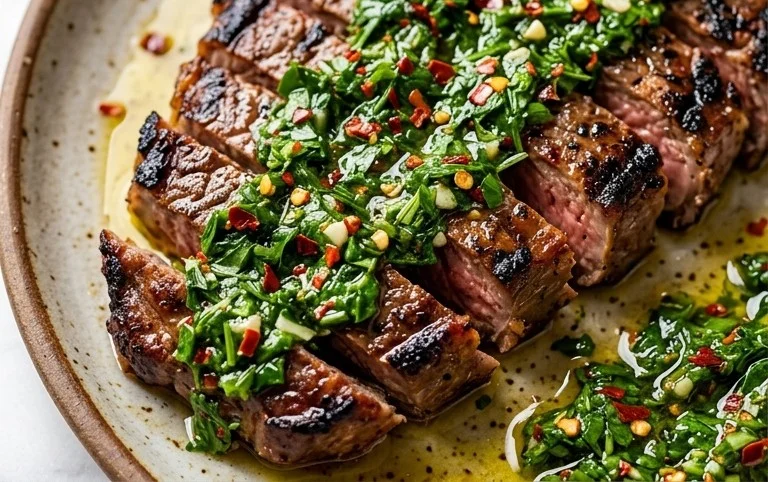
This glorious green sauce is your ticket to a world of flavor. Enjoy its freshness with your favorite grilled meats, roasted vegetables, or even just a piece of crusty bread.
Conclusion:
And there you have it! You’ve learned how to whip up a vibrant and incredibly versatile chimichurri sauce that will elevate your everyday meals to something extraordinary. This recipe is fantastic because it’s so fresh, bursting with herbaceous flavor from the parsley and cilantro, with just the right amount of tang from the vinegar and a subtle kick from the garlic and chili flakes. It’s a simple yet powerful condiment that truly brings dishes to life. Don’t be afraid to experiment! This chimichurri is perfect drizzled over grilled steaks, chicken, fish, or even roasted vegetables. It also makes a delightful marinade or a zesty addition to sandwiches and dips. I really encourage you to give this recipe a try; you’ll be amazed at how easily it becomes a staple in your kitchen.
Frequently Asked Questions:
What’s the best way to store chimichurri sauce?
For optimal freshness, store your chimichurri sauce in an airtight container in the refrigerator. It’s best used within 3-5 days. The olive oil will solidify slightly when chilled, but don’t worry – it will loosen up as it comes to room temperature.
Can I make chimichurri ahead of time?
Absolutely! In fact, I find that the flavors meld even better if you let it sit for at least 30 minutes to an hour before serving. This allows all those delicious ingredients to get acquainted.
Are there any variations on the classic chimichurri recipe?
Definitely! For a spicier version, add more red pepper flakes or a finely minced jalapeño. You can also swap out some of the parsley for fresh oregano or mint for a different herbaceous profile. Some people even add a pinch of smoked paprika for a smoky depth.
Chimichurri Sauce
A vibrant and herbaceous Argentinian sauce, perfect for grilling meats or drizzling over vegetables. This version uses grape juice vinegar for a non-alcoholic base.
Ingredients
-
1 1/2 cups well packed (42g) fresh parsley
-
1/2 cup well packed (20g) fresh cilantro
-
1/4 cup (9g) fresh oregano or 1 tsp dried
-
1/4 small red onion
-
3 garlic cloves
-
3 Tbsp red grape juice vinegar
-
2 Tbsp fresh lemon juice
-
1/2 tsp salt
-
1/4 tsp red pepper flakes
-
3/4 cup olive oil
Instructions
-
Step 1
Finely chop the fresh parsley, cilantro, oregano (if using fresh), red onion, and garlic. Alternatively, pulse them in a food processor until finely minced, but avoid over-processing into a paste. -
Step 2
In a medium bowl, combine the chopped herbs, onion, garlic, red grape juice vinegar, lemon juice, salt, and red pepper flakes (if using). -
Step 3
Whisk the ingredients together until well combined. -
Step 4
Slowly drizzle in the olive oil while whisking continuously to emulsify the sauce. -
Step 5
Taste and adjust seasoning, adding more salt or red pepper flakes as desired. -
Step 6
For best flavor, let the chimichurri sit at room temperature for at least 30 minutes before serving to allow the flavors to meld. It can also be refrigerated for up to a week.
Important Information
Nutrition Facts (Per Serving)
It is important to consider this information as approximate and not to use it as definitive health advice.
Allergy Information
Please check ingredients for potential allergens and consult a health professional if in doubt.