Easy Chimichurri Sauce Recipe-Fresh Herb Flavor
Chimichurri sauce recipe—have you ever tasted a sauce that’s so vibrant, so bursting with fresh flavor, it instantly elevates any dish it touches? That’s the magic of chimichurri. This Argentinian staple isn’t just a condiment; it’s an experience. People adore chimichurri for its incredible versatility and its ability to transform simple grilled meats, roasted vegetables, or even crusty bread into something truly extraordinary. It’s the perfect balance of herbaceousness from fresh parsley and oregano, a zing of garlic and chili, and the brightness of vinegar and olive oil. What makes this particular chimichurri sauce recipe so special is its beautiful simplicity. It’s incredibly easy to whip up, requiring no cooking, just a bit of chopping and mixing. Get ready to unlock a new level of deliciousness in your kitchen with this classic chimichurri sauce recipe!
Chimichurri Sauce Recipe
Chimichurri is more than just a sauce; it’s a vibrant, herbaceous explosion of flavor that can transform humble grilled meats into culinary masterpieces. Hailing from Argentina and Uruguay, this zesty condiment is traditionally served with grilled steak, but its versatility knows no bounds. From drizzling over chicken and fish to tossing with roasted vegetables or even slathering on sandwiches, chimichurri adds a fresh, pungent, and slightly spicy kick that’s utterly addictive. Making it yourself is incredibly simple, and the difference between store-bought and homemade is night and day. Forget those bland, oily versions; this recipe will empower you to create a truly authentic and dazzling chimichurri that will have everyone asking for the recipe.
The beauty of chimichurri lies in its fresh ingredients and straightforward preparation. It requires no cooking, just a good chop and a good whisk, making it an ideal accompaniment for summer grilling or a quick weeknight meal boost. The key is to use the freshest herbs possible, as their vibrant essence is the heart and soul of this remarkable sauce.
Ingredients:
Instructions:
Step 1: Prepare Your Herbs
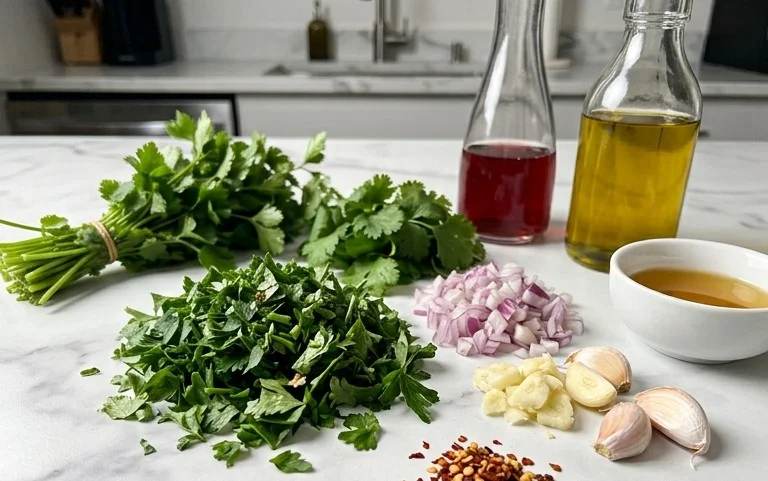
The foundation of any great chimichurri is fresh, vibrant herbs. Start by washing and thoroughly drying your parsley, cilantro, and oregano. It’s crucial to remove all the stems from the parsley and cilantro, as stems can be fibrous and impart a bitter taste. For the oregano, you can use the leaves and tender stems if they are young and pliable. Finely chop these herbs. I prefer to do this by hand for the best texture, but you can also pulse them briefly in a food processor. The goal is a finely minced consistency, not a paste. The finer you chop, the more the flavors will meld together. Don’t be afraid to be generous with the herbs; they are the stars of this show!
Step 2: Mince the Aromatics
Next, we’ll add the pungent powerhouses: garlic and red onion (or shallots). Peel your garlic cloves. You can mince them very finely by hand, use a garlic press, or again, pulse them with the herbs in the food processor. If you’re sensitive to raw garlic, you can use slightly less or even roast the garlic cloves first for a milder, sweeter flavor, though this will change the traditional chimichurri profile. For the red onion or shallots, a rough chop is perfectly fine, as they will also be finely minced. If you’re using red onion, a third of a cup is a good starting point. Shallots offer a slightly sweeter and milder bite if that’s your preference. Mince these aromatics until they are quite fine, similar to the texture of your chopped herbs.
Step 3: Combine Dry Ingredients and Chili Heat
In a medium-sized bowl, combine your finely chopped herbs, minced garlic, and minced red onion (or shallots). Now, it’s time to add a touch of heat. Sprinkle in the red pepper flakes. You can adjust this amount to your personal spice preference. If you like a lot of heat, add a full teaspoon or even more. If you prefer a milder sauce, start with a quarter teaspoon and taste later. Add the kosher salt to this mixture. The salt will help to draw out some of the moisture from the herbs and aromatics, further intensifying their flavors. Give this mixture a good stir to ensure everything is evenly distributed.
Step 4: Emulsify with Liquids
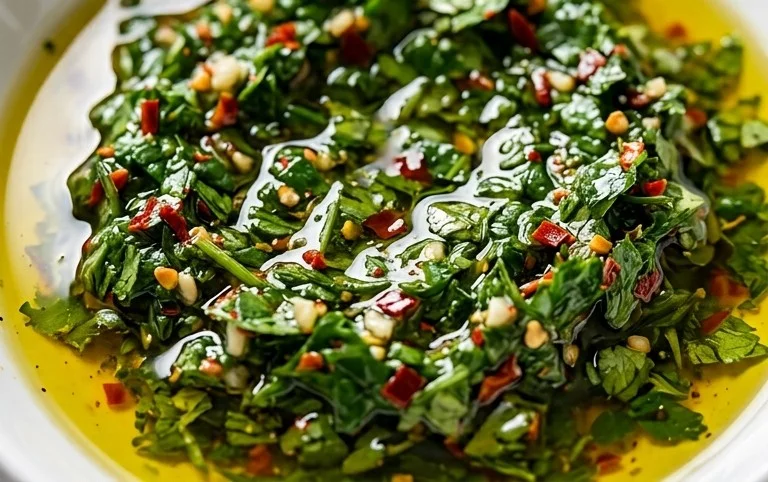
This is where the magic truly happens, as we bring all the components together to create a beautiful, cohesive sauce. Drizzle in the extra-virgin extract olive oil. Use a good quality olive oil; its fruity notes will complement the fresh herbs wonderfully. Next, add the red grape juice vinegar and fresh lemon juice. The vinegar provides a sharp, acidic bite that balances the richness of the oil and the earthiness of the herbs. The lemon juice adds a bright, citrusy lift, cutting through any potential heaviness and adding another layer of freshness. Whisk these liquids vigorously into the herb and garlic mixture. Continue whisking until the sauce is well combined and slightly emulsified. You’re looking for a vibrant, almost chunky condiment that’s not too oily and not too watery.
Step 5: Rest and Taste for Perfection
Once everything is combined, give your chimichurri a final, thorough whisk. At this point, it’s crucial to let the flavors meld. Cover the bowl and let the chimichurri rest at room temperature for at least 15-30 minutes. This resting period is essential for allowing the herbs and aromatics to infuse the oil and vinegar, creating a more complex and harmonious flavor profile. After resting, taste the chimichurri and adjust the seasonings as needed. You might want to add a little more salt, a splash more vinegar for tang, or a pinch more red pepper flakes for heat. The beauty of homemade is that you can tailor it precisely to your liking. Chimichurri is best served fresh, but it can be stored in an airtight container in the refrigerator for up to a week, although the herbs will lose some of their vibrancy over time. Enjoy this incredible sauce with your favorite dishes!
Conclusion:
There you have it! My go-to Chimichurri Sauce Recipe, a vibrant and zesty sauce that’s incredibly versatile and surprisingly simple to whip up. I absolutely love this recipe because it elevates everything it touches, from grilled steaks and roasted chicken to simple roasted vegetables and even as a dip for crusty bread. The freshness of the herbs, the kick of the garlic, and the tang of the vinegar create a flavor explosion that’s hard to resist. It’s the perfect way to add a burst of authentic Argentinian flavor to any meal. Don’t be afraid to experiment with it; the possibilities are truly endless!
I encourage you to give this chimichurri sauce a try. It’s so much more rewarding to make your own fresh sauce than to buy it from the store. You can adjust the ingredients to your personal taste – more chili for a spicier kick, or a bit more vinegar for extra tang. Once you master this base recipe, you’ll find yourself reaching for it again and again. Enjoy bringin extractg this delicious green magic to your table!
Frequently Asked Questions:
How long does chimichurri sauce last?
When stored in an airtight container in the refrigerator, your homemade chimichurri sauce should stay fresh for about 3-4 days. The olive oil acts as a preservative, but the fresh herbs are best enjoyed within that timeframe for optimal flavor.
Can I make chimichurri sauce ahead of time?
Absolutely! Chimichurri sauce is fantastic for making ahead. In fact, many people find the flavors meld even better after resting for a few hours or overnight in the refrigerator. Just be sure to give it a good stir before serving, as the oil may separate.
What are some other great uses for chimichurri besides steak?
Oh, the options are plentiful! Try it on grilled fish, beef chops, lamb skewers, or roasted root vegetables. It’s also delicious drizzled over eggs, as a topping for avocado toast, or even stirred into a grain salad. Don’t hesitate to get creative!
Chimichurri Sauce Recipe
A vibrant and herbaceous Argentinian sauce perfect for grilling and marinating.
Ingredients
-
1 cup fresh Italian flat-leaf parsley, leaves only, stems removed
-
1/4 cup fresh cilantro, leaves only, stems removed
-
1/4 cup fresh oregano, leaves only, stems removed
-
1/3 cup roughly chopped red onion or shallots
-
3 cloves garlic, peeled
-
1/2 teaspoon red pepper flakes
-
1/2 cup extra-virgin olive oil
-
1/4 cup red grape juice vinegar
-
3 tablespoons fresh lemon juice
-
1 teaspoon kosher salt
Instructions
-
Step 1
Finely chop the fresh parsley, cilantro, and oregano. You can do this by hand or pulse them a few times in a food processor. -
Step 2
In a medium bowl, combine the chopped herbs with the roughly chopped red onion or shallots and minced garlic. -
Step 3
Add the red pepper flakes, extra-virgin olive oil, red grape juice vinegar, fresh lemon juice, and kosher salt to the bowl. -
Step 4
Stir everything together until well combined. Taste and adjust seasoning if needed. -
Step 5
For best flavor, let the chimichurri sauce sit at room temperature for at least 15-20 minutes to allow the flavors to meld before serving. -
Step 6
Serve as a condiment for grilled meats, poultry, fish, or vegetables.
Important Information
Nutrition Facts (Per Serving)
It is important to consider this information as approximate and not to use it as definitive health advice.
Allergy Information
Please check ingredients for potential allergens and consult a health professional if in doubt.